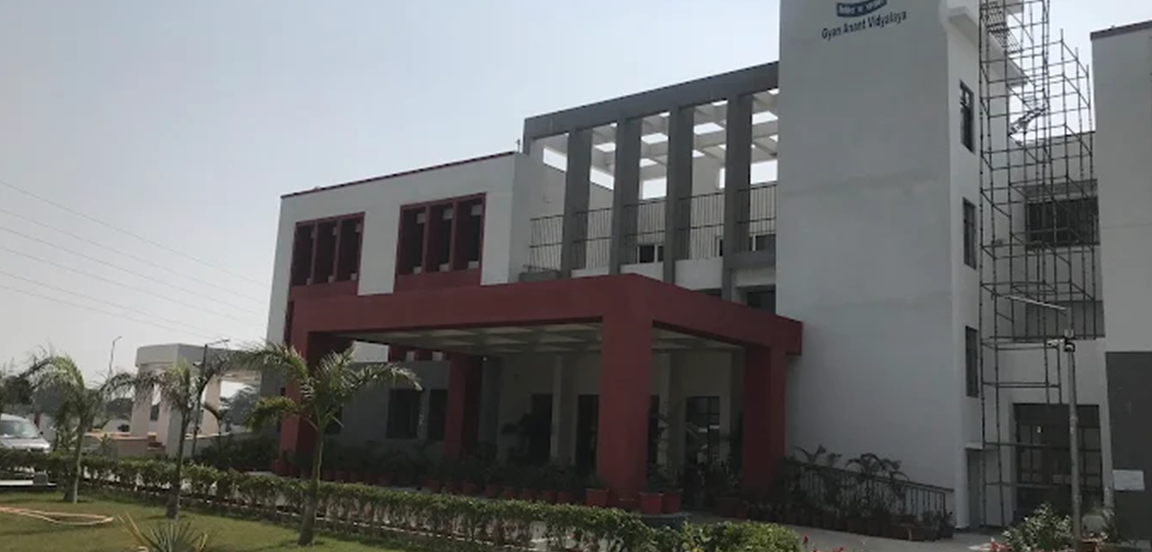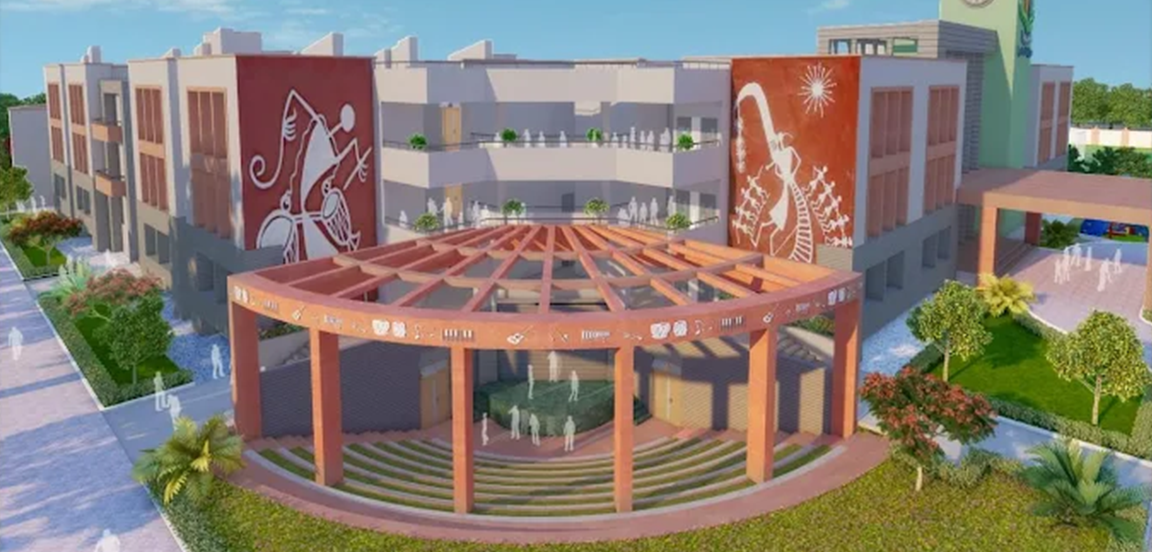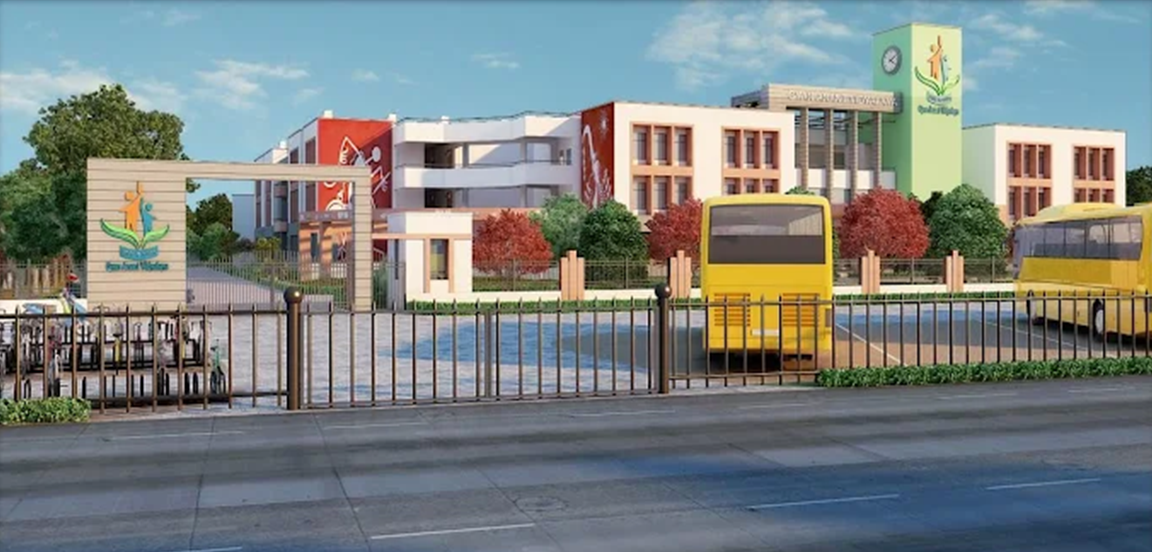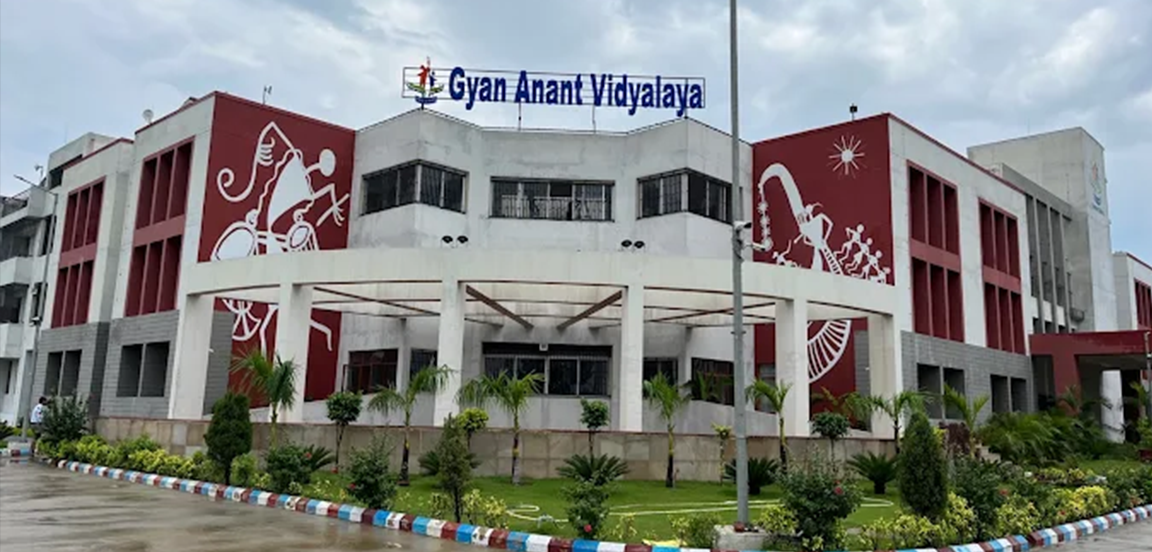
Gyan Anant Vidyalaya
Pioneering initiative dedicated to advancing environmental sustainability through transformative educational experiences
Overview
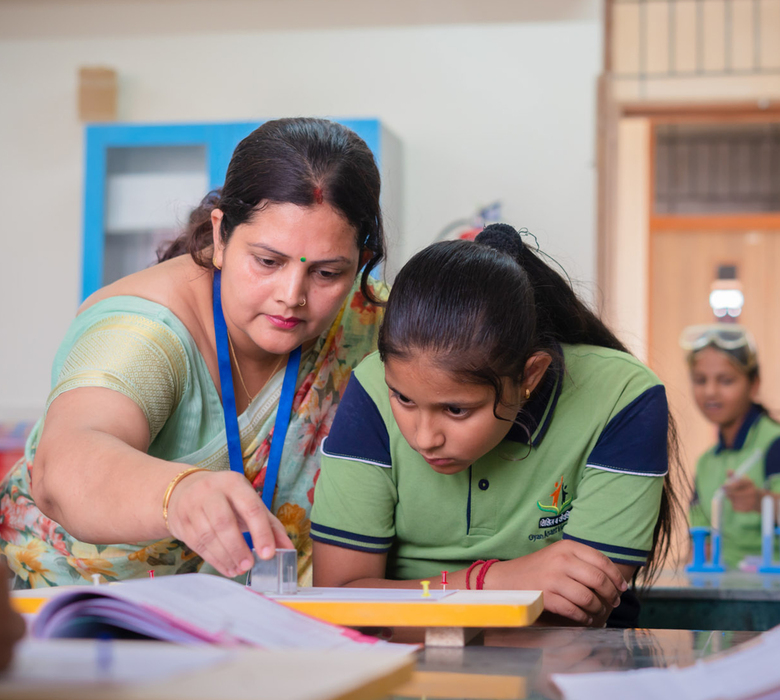
Gyan Anant Vidyalaya (GAV), founded in 2019 as a pioneering initiative of the Mobius Foundation, is dedicated to advancing environmental sustainability through transformative educational experiences. Nestled in the serene rural landscape of Hapur, our school is a vibrant hub where awareness, values and comprehensive development converge to shape the future leaders of tomorrow.
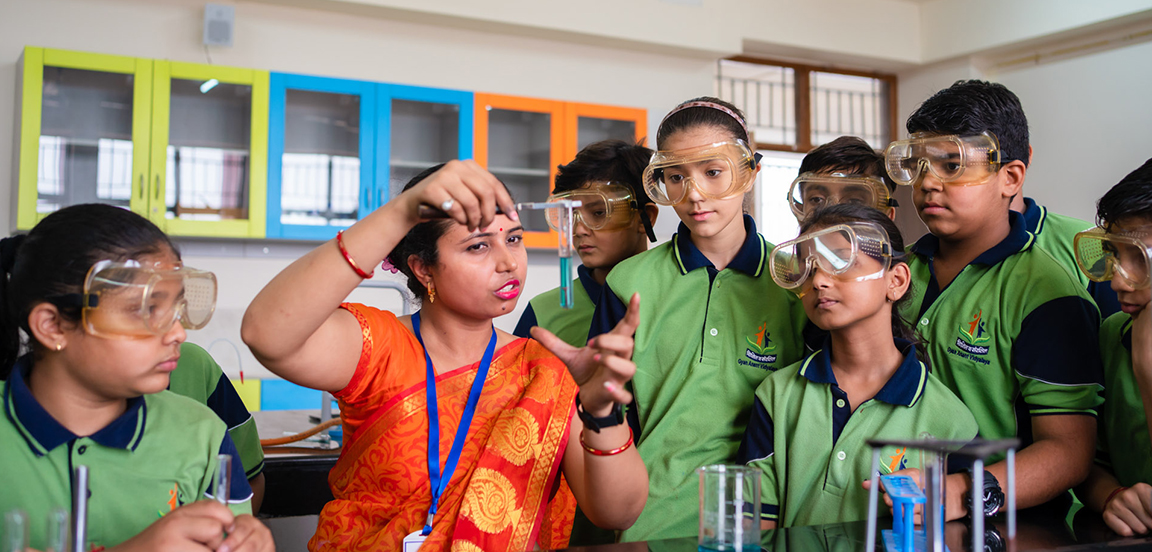
GAV prioritizes the nurturing of creative minds, fostering an environment that encourages exploration and the joy of discovery. The educational approach empowers students to embrace their curiosity and develop critical thinking skills, while instilling lifelong values such as truth, wisdom and a deep sense of responsibility towards the environment. By integrating these principles into our curriculum, GAV aims to cultivate conscientious individuals who are equipped to make a positive impact on both their communities and the world at large.
How We Do It
Curriculum Rooted in Sustainability
- Integration of environmental and sustainability topics into traditional subjects.
- Emphasis on real-world solutions to ecological and social challenges.
- Opportunities for students to collaborate with professionals in the sustainability and social justice fields.
Experiential & Service-Based Learning
- Active engagement in organic farming, conservation, heritage research, and waste management.
- Programs in environmental monitoring, social outreach, and community development.
Character Education Framework
A strong foundation in four core dimensions of character:
- Moral virtues: honesty, humility, courage, gratitude.
- Civic virtues: volunteering, service, active participation in society.
- Intellectual virtues: curiosity, reflection, critical thinking.
- Performance virtues: resilience, perseverance, self-discipline.
Holistic Co-Curricular Structure
- Outdoor activities: wildlife visits, hiking, camping, trekking.
- Deliberative platforms: debating societies, youth parliaments, school elections.
- Structured programs: NCC, scouts, girl guiding, traffic safety roles.
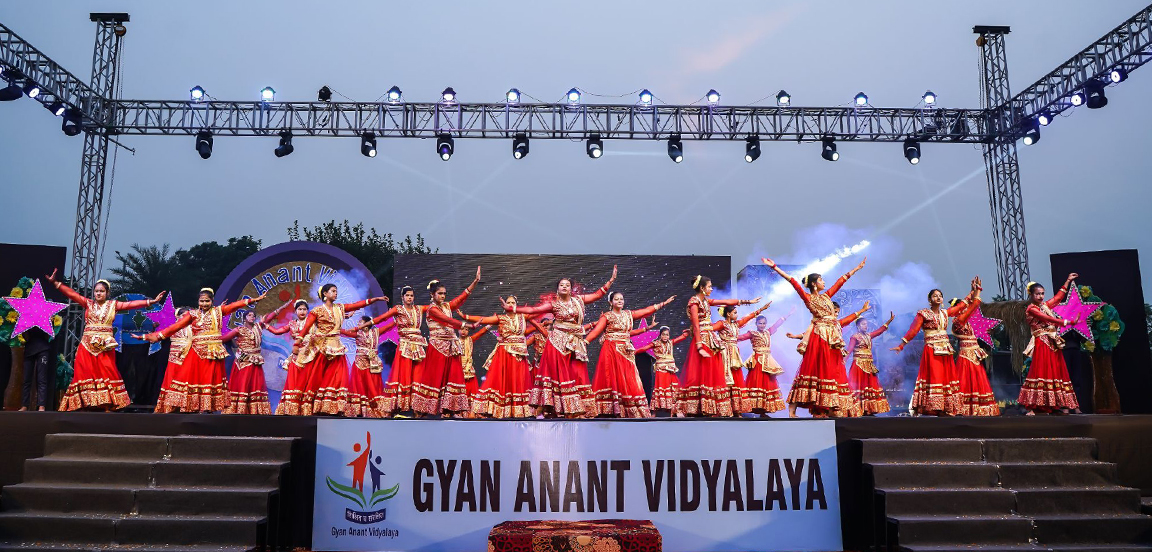
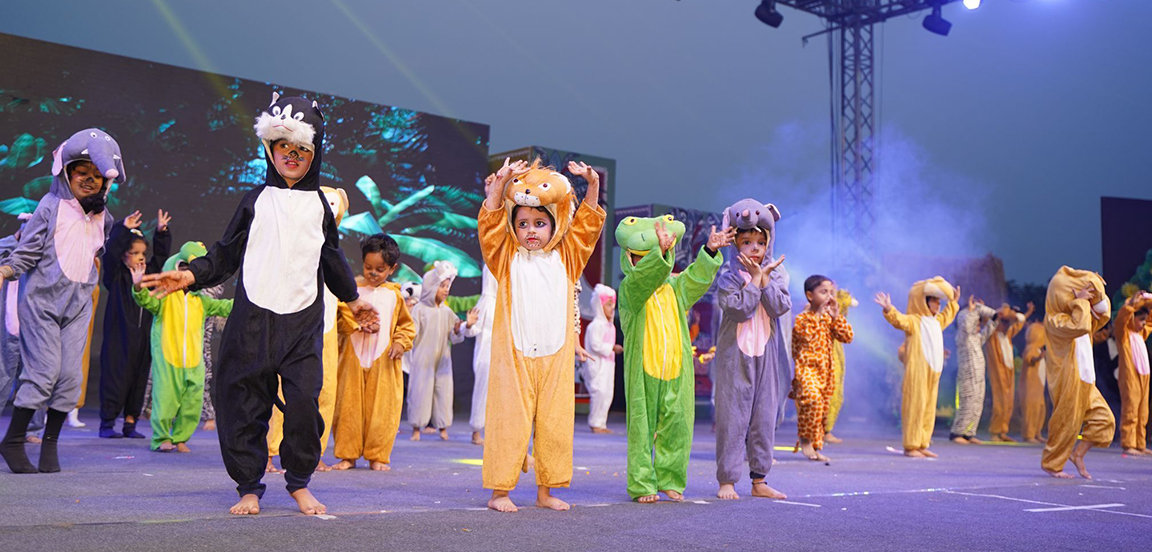
- Enrichment opportunities: student-run newspaper, educational trips, peer mentorship, student-led lessons.
Sustainable Campus Infrastructure
- Solar energy systems and eco-friendly architecture reduce energy dependency.
- On-site organic farm, rainwater harvesting, and water filtration.
- Waste segregation and recycling initiatives in place.
- Reduced use of single-use plastics; promotion of shared resources such as books and supplies.
Glimpses