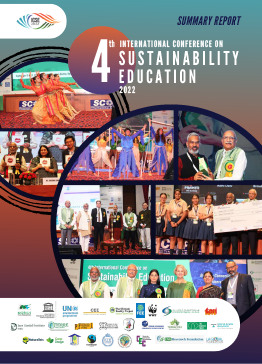
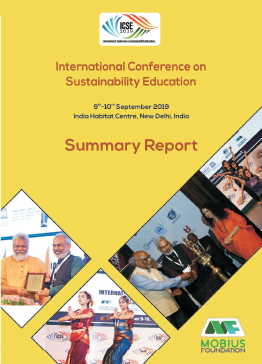
International Conference on Sustainability Education
Platform for educators, youth and partners to engage in meaningful dialogue on green education
Our Footprint
Overview
How We Do It
Collaborative Knowledge Exchange
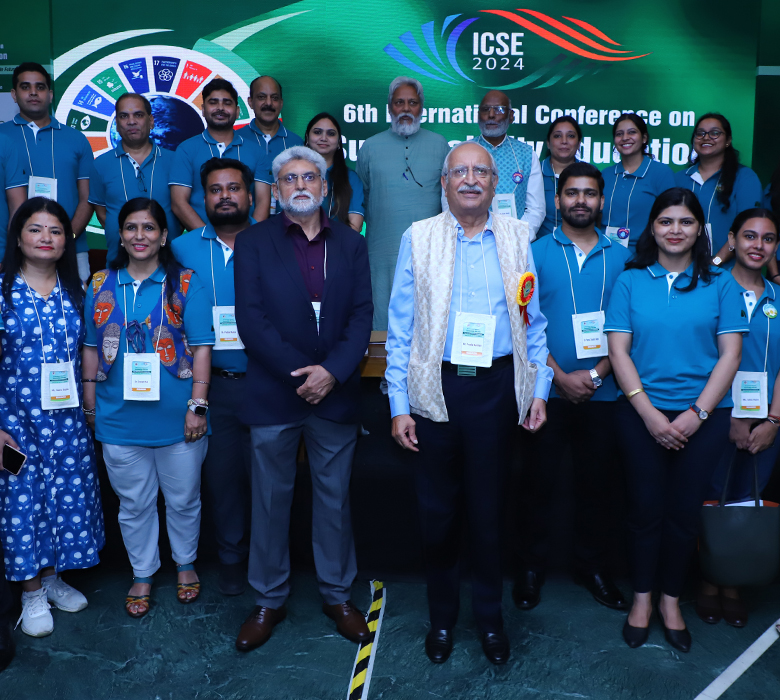
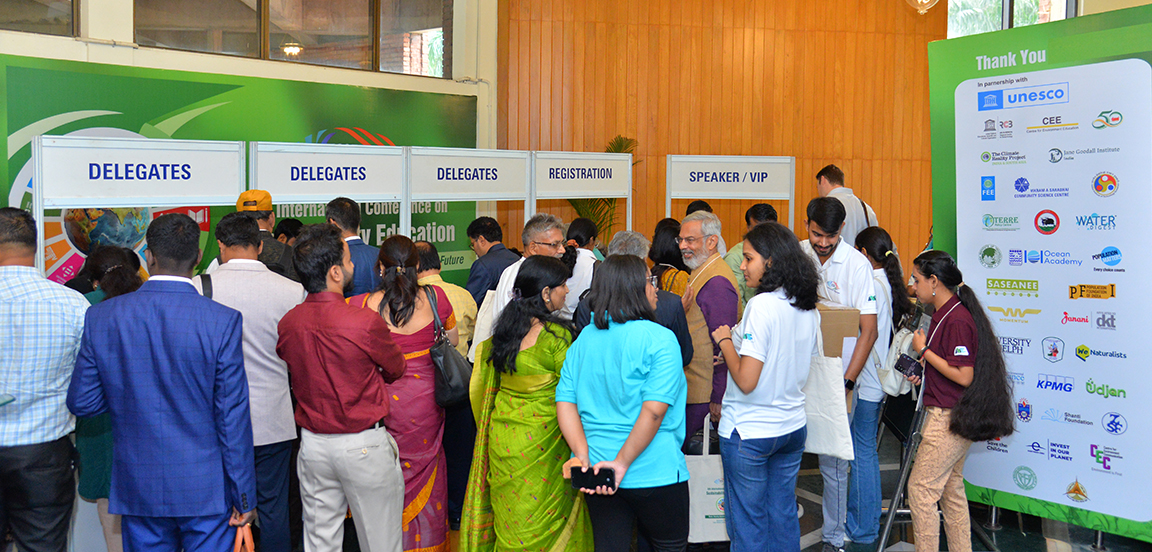
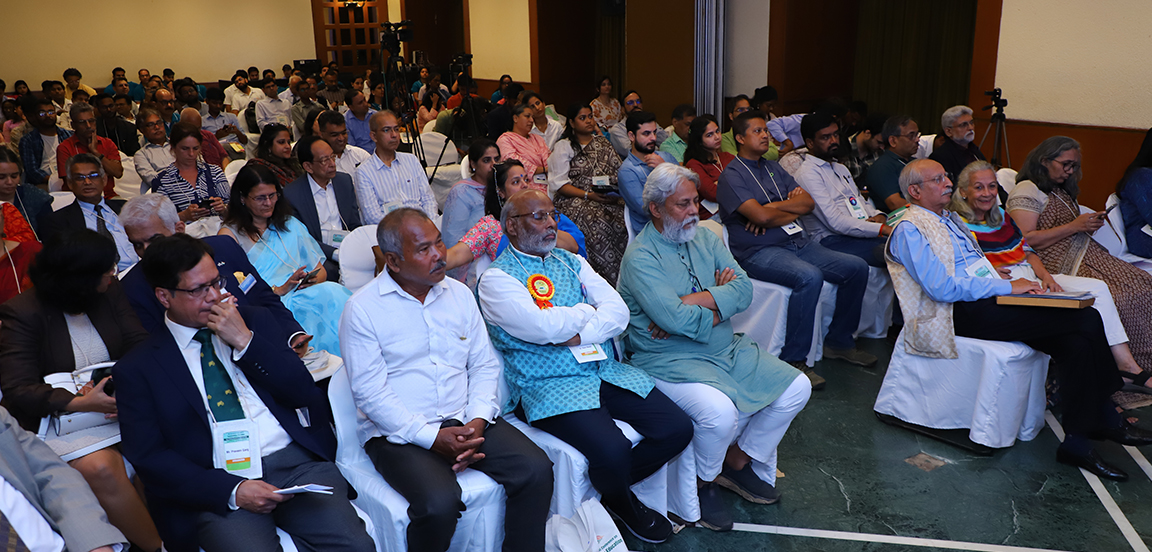
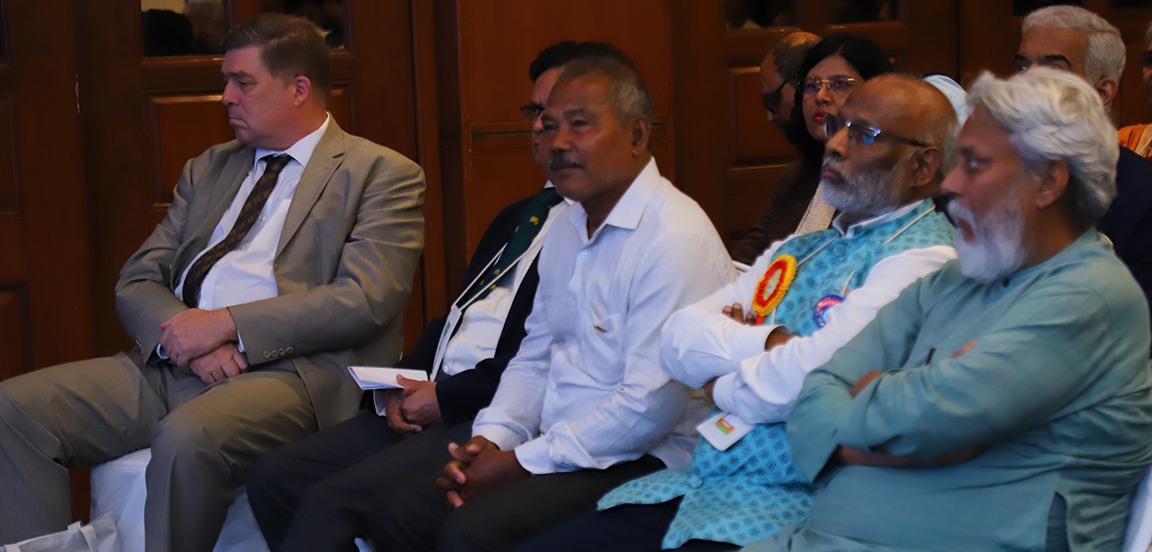
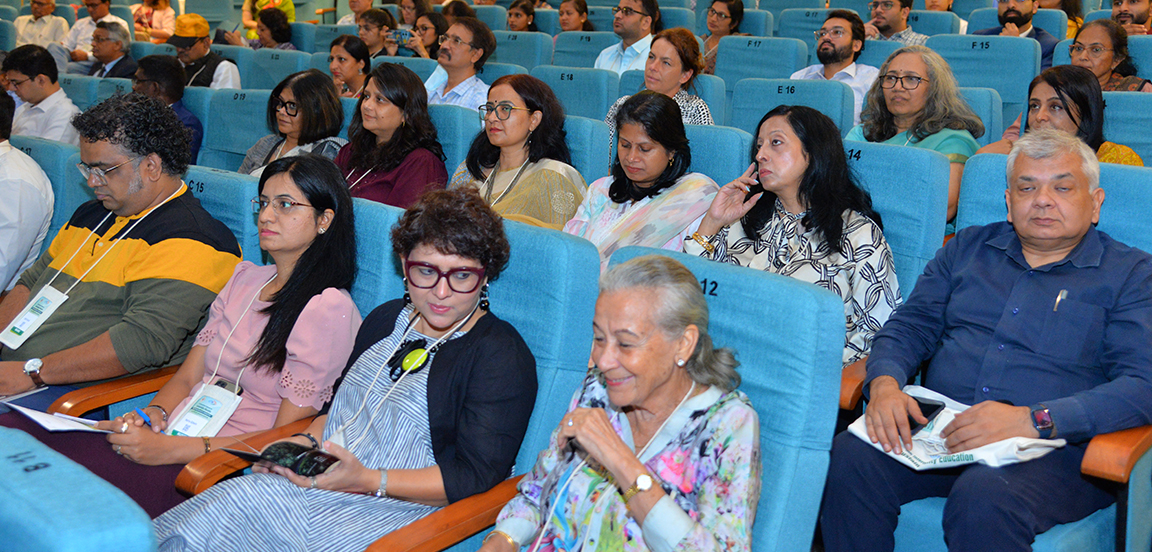
- At ICSE, we believe that real transformation begins with inclusive dialogue and partnership. We bring together a global community of educators, policymakers, industry leaders, researchers, and youth to share insights, co-create solutions, and chart the future of sustainability education.
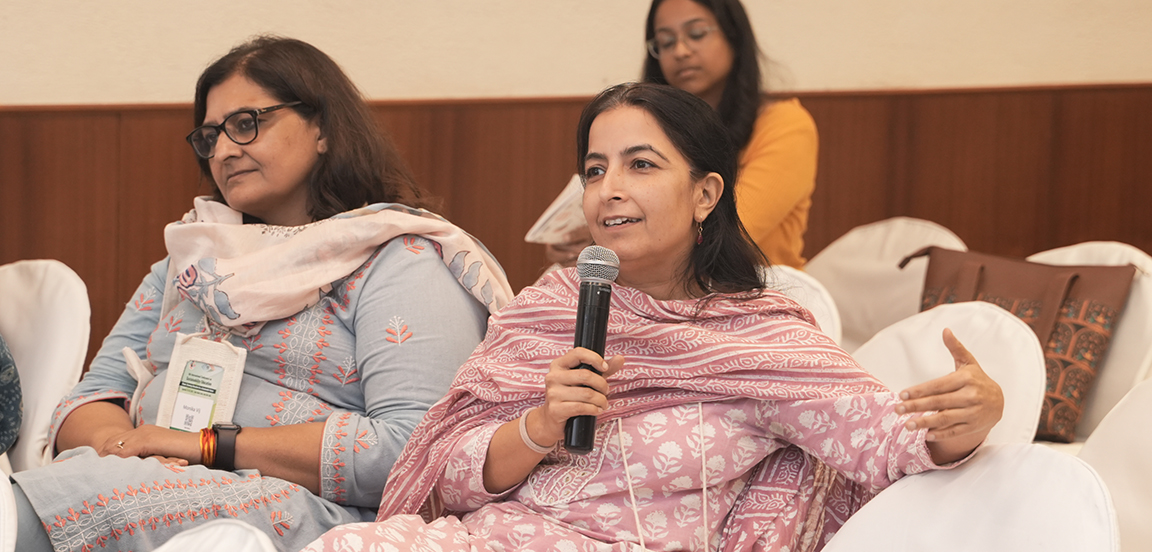
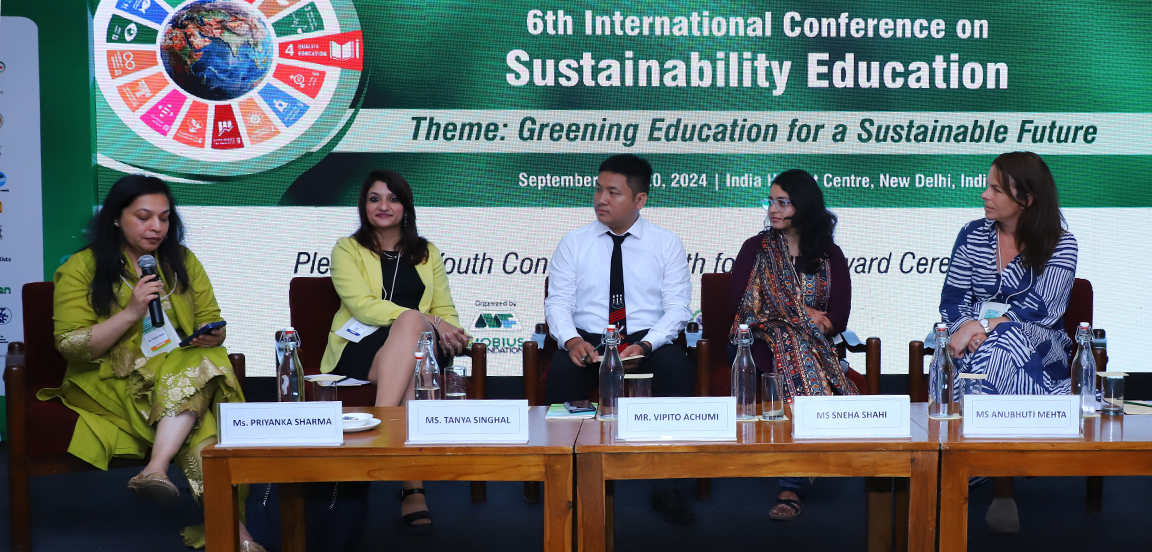
- Our conferences feature dynamic formats from plenary talks and panel discussions to thematic workshops and expert dialogues designed to encourage cross-sector learning and innovation.
- By fostering an environment where diverse voices connect and collaborate, we ensure that ideas generated here are practical, forward-looking, and grounded in real educational and societal needs.
Practical Learning & Real-World Relevance
- We go beyond theory to make sustainability education actionable and meaningful. Our sessions link classroom learning to real-world challenges exploring areas such as renewable energy, sustainable agriculture, climate literacy, circular economy principles, and green jobs ensuring education equips learners with skills and competencies for tomorrow’s workforce.
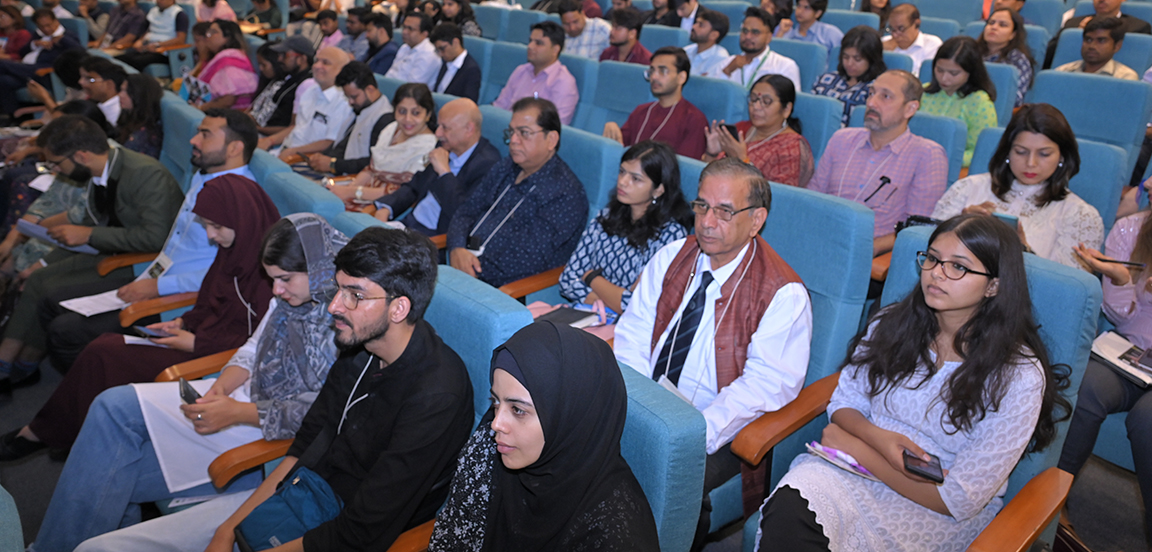
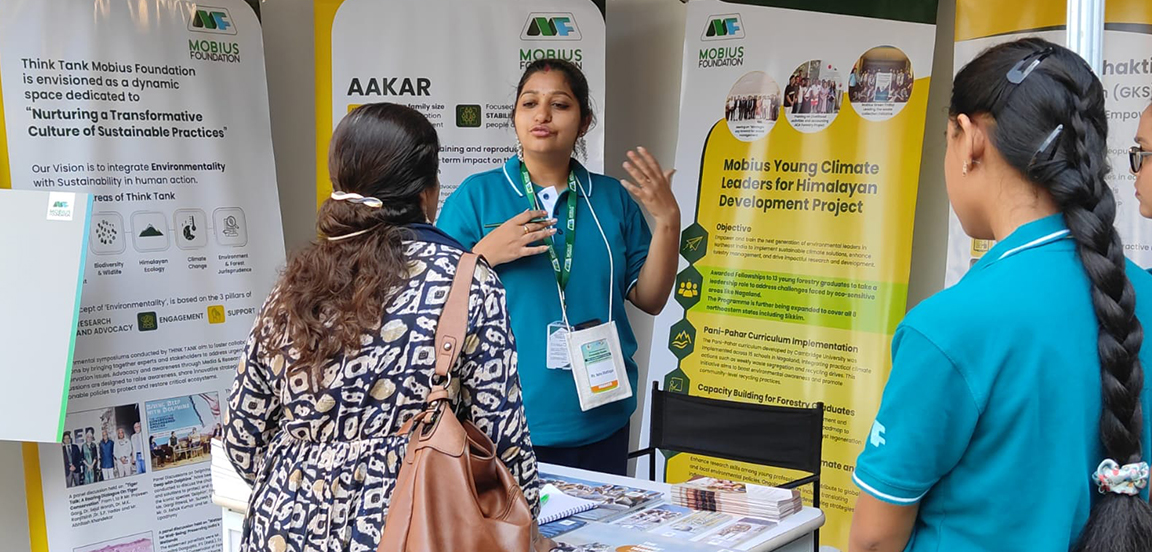
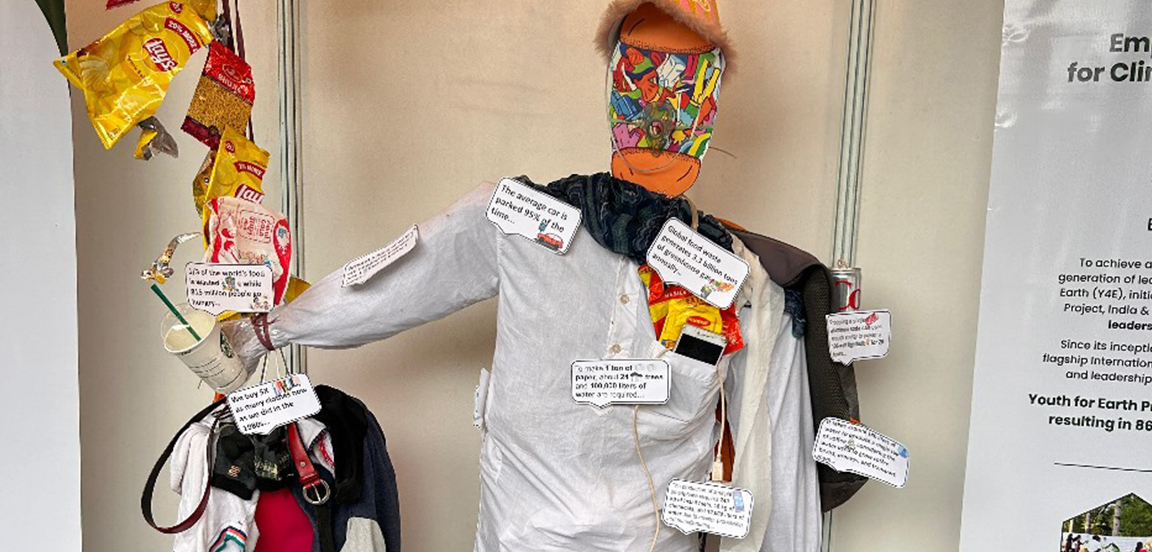
- Through case studies, curriculum innovation exchanges, sustainability projects, and interactive learning experiences, ICSE creates pathways for education to have tangible impact in communities and industries alike
Inspiring Action & Lasting Impact
- ICSE is built on the belief that education can catalyze transformative change for people and planet. We align our work with global frameworks like the United Nations’ Decade of Education for Sustainable Development and SDG 4.7, emphasizing values, ethics, and systems thinking that empower learners to act responsibly and creatively.
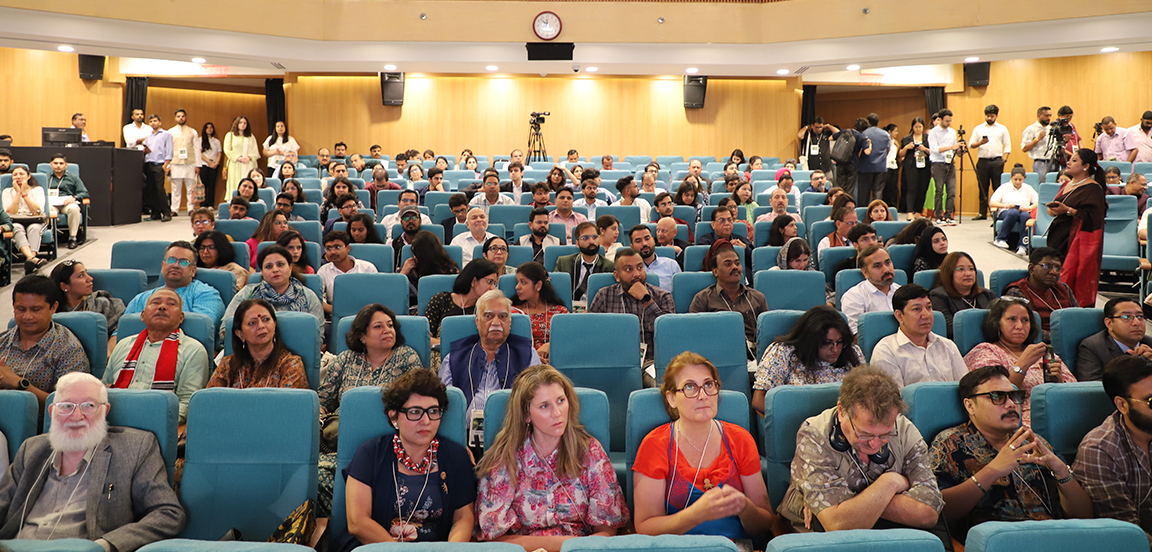
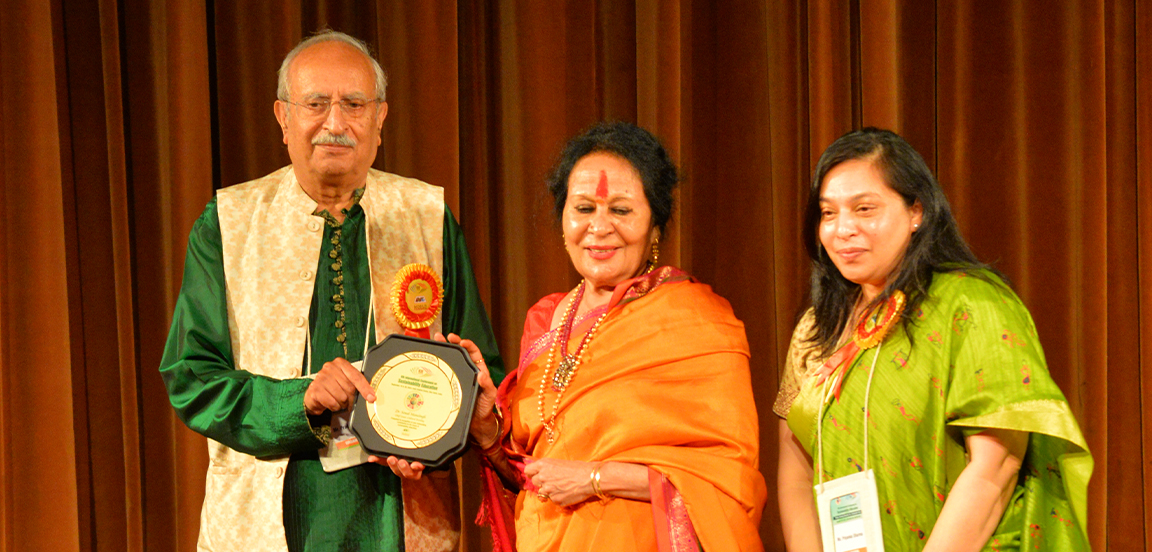
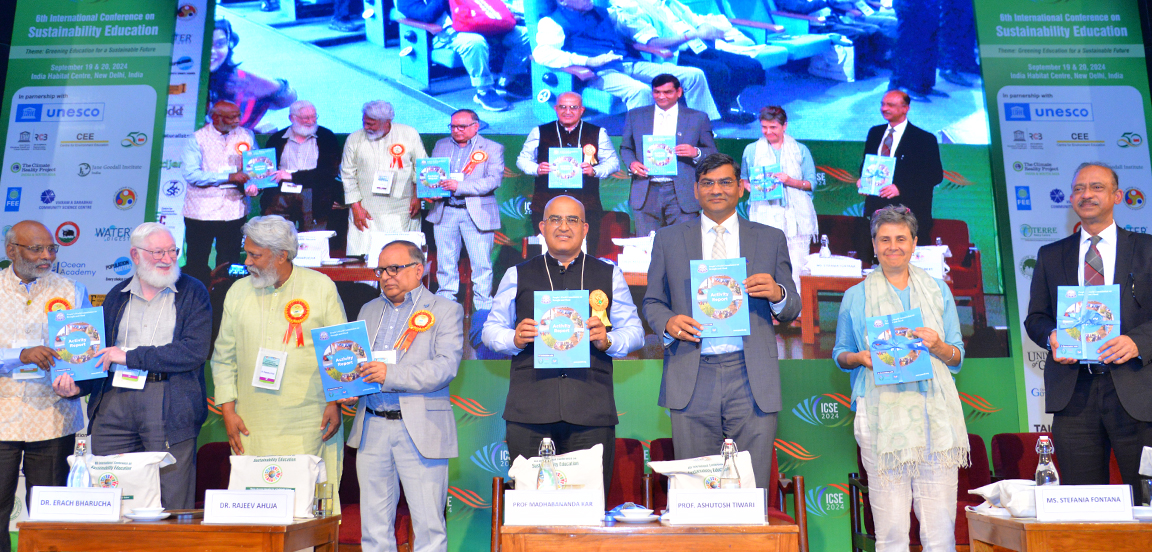
- Through initiatives such as youth leadership awards, sustainability showcases, and collaborative networks, we nurture a generation of changemakers who are prepared not only to understand sustainability challenges, but to lead solutions in their schools, communities, and workplaces
Select Voices
Shri Bhupender Yadav
“Green jobs are the bridge between climate action and inclusive economic growth, and sustainability education is the foundation of this transition. Organizations such as the Mobius Foundation are contributing meaningfully by advancing sustainability education, promoting inclusive development, nurturing environmental leadership, and empowering youth to build a skilled, future-ready green workforce.”
Mr. Pradip Kumar Das
“India’s path to net zero by 2070 requires disciplined decarbonisation, limited fossil fuel use, and stronger focus on green education. Empowering farmers in our agrarian economy and scaling green energy for both consumption and manufacturing are critical. Widespread education can reshape awareness, moving beyond the misconception that renewables only mean solar, and fostering collective responsibility for sustainable growth.”
Mr. Amit Verma (IFS)
“The PM’s address on Independence Day marked a strong message on the circular economy mission, signaling the government’s commitment, especially through NITI Aayog’s efforts to address these issues. Mann Ki Baat has had 4-5 episodes focused on circular economy, making it a key part of our national discourse. So, for India, is there a choice when it comes to circularity? Looking at tariffs and trade barriers, no economy works in isolation. Some countries have already introduced sustainability-based trade barriers.”
Dr. Benno Boer
“It’s crucial to foster strong collaboration between governments and the private sector to design and scale programs that unlock new employment pathways. Green jobs pave the way for a more just and resilient world.”
Mr. Kartikeya Sarabhai
“We shouldn’t predict what the jobs will be in the future, but rather prepare people to be flexible. Emphasis should be on critical thinking and problem-solving to equip individuals for the uncertainties ahead.”
Mr. Sunil Jain
“Sustainable education on the green economy must begin at the school level, starting from the very first day a child enters school. Teaching children how to segregate waste, reduce air conditioning use, and practice sustainability needs to start now. Sustainability education begins at school, and skilling should start from grade 10. Sustainable education starts from within, requiring practical, hands-on education. The pathway to green jobs begins in schools.”
Mr. Alan Egbert
“The urgency of action has been echoed across contexts, and we all agree it cannot be ignored. Education systems must prepare students to thrive and contribute positively and sustainably to society, yet sustainability remains a missing skill. A UNESCO survey revealed that over 70% of the curriculum did not even mention climate change or climate literacy as core objectives for young people.”
Prof. Sachchida Nand Tripathi
“We should do what we learn, that is very important for the climate and it’s an honour of education that we came through. Moreover, communication is very critical otherwise it will be a 50-50 story…We must challenge ourselves keeping technology at par with the education system.”
Dr. Manish Modani
“Our focus is to use AI tools effectively and impactfully. AI is unavoidable, just doing a simple Google search already consumes significant time. We need to be intentional about what we search on Google versus what we query on ChatGPT. In the past, scientific research involved working with paper, computing results, and then publishing. Today, everyone needs access to computational tools, leverage AI for results, and then use those insights to augment their research. AI is here to augment you, not replace you.”
Mr. Arpit Sharma
“We are actively empowering marginalised communities with green skills. For example, we trained 800 women salt pan workers in Gujarat, and 40% of them received job offers through SEWA. We’re also launching a Solar Rooftop Academy in Gujarat, focusing on training women, with the Skill Council for Green Jobs as a partner. Additionally, we’ve trained 90,000 sanitation workers across 500 municipal centers in mechanized cleaning techniques. We’re now looking to expand through international exchanges and South-South collaboration.”
Dr. Rajendra Singh
“My educator taught me through practical lessons – examining 25 dry wells, understanding their problems, and learning how to build dams and manage resources, which introduced me to GeoHydra science. This hands-on approach showed me the value of practical learning in addressing root challenges. To truly learn sustainability, we must love and respect nature.”
Dr. Kalpana Seethepalli
“While the transition to a low-carbon economy is often viewed as job loss, it actually creates significant and not-so-obvious opportunities across upstream, midstream, and downstream sectors, evolving into a vibrant green economy with innovation, competition, and diverse career pathways for young people at all levels of skill and discipline.”
Ms. Giorgia Varisco
“From a global youth perspective on climate, we found that young people are aware, excited, and increasingly equipped to act. In fact, 67% report being worried about climate change. However, despite India’s booming green economy creating unprecedented opportunities, a critical talent and skills gap threatens to slow progress. Green jobs represent more than just employment – they offer a balance of purpose, stability, and pride.”
Latest Updates
THE 7TH INTERNATIONAL CONFERENCE ON SUSTAINABILITY EDUCATION
Our Partners