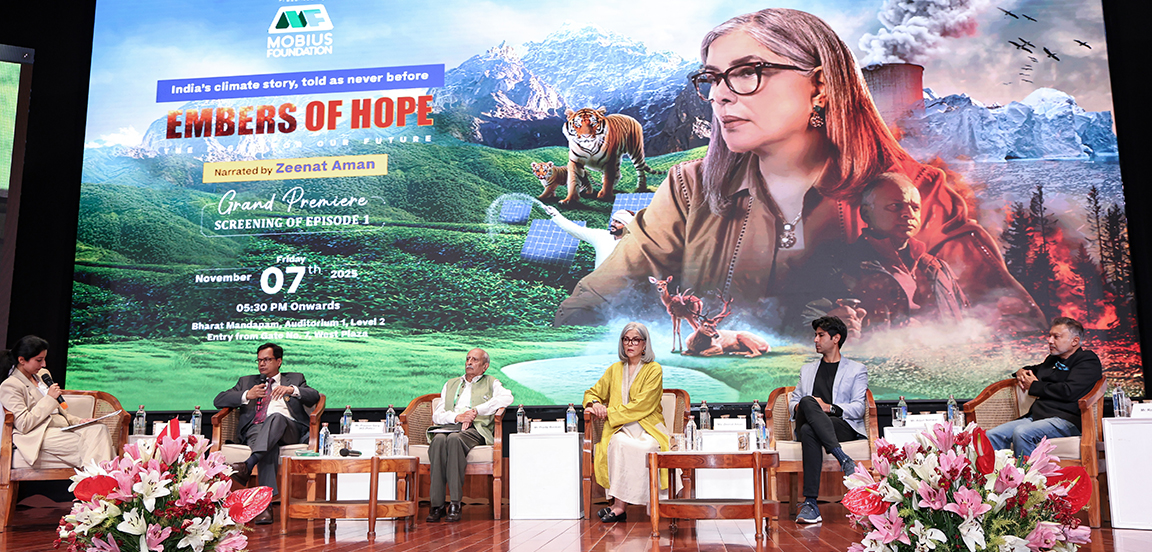
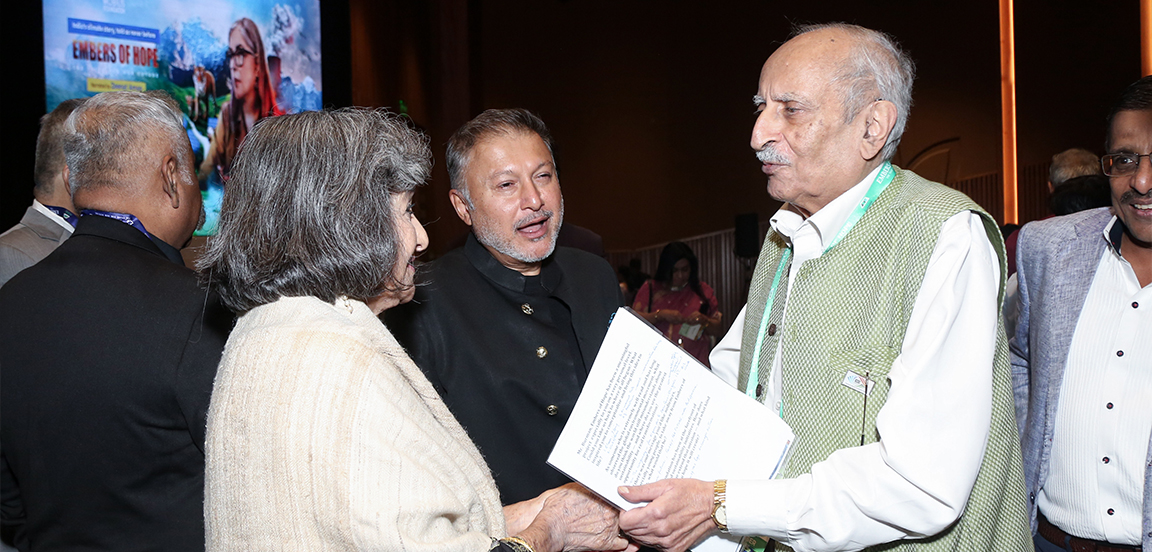
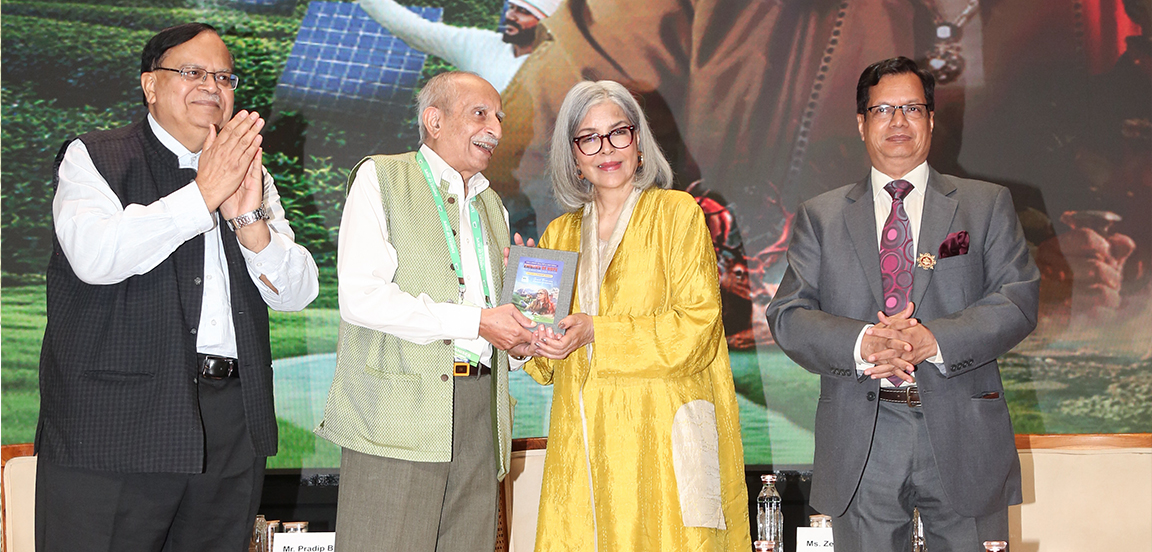
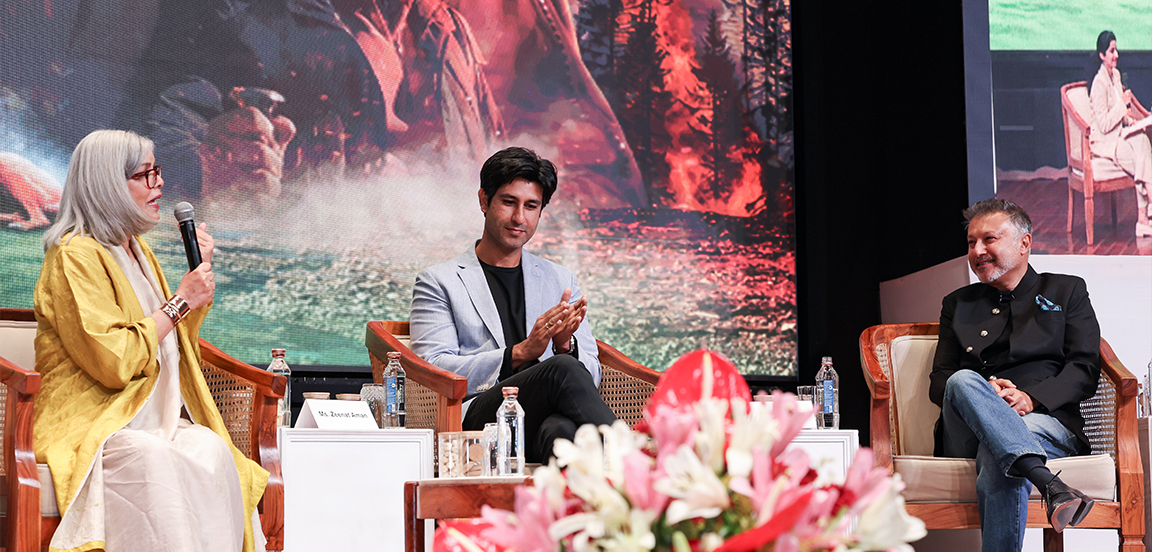
Embers of Hope: The Fight for Our Future
With a focus on South Asia and global relevance, it combines research-driven storytelling to inspire sustainable practices and collective action.
Overview
How We Do It
Adapted the “planetary boundaries” framework to the Indian context, conducting extensive research and developing detailed episode concepts. Each episode of Embers of Hope focuses on a specific environmental challenge, analysing its causes, impacts, and solutions.
Climate Change
India faces intensifying heatwaves, erratic monsoons, glacier melt in the Himalayas, and stronger cyclones along its coasts. These impacts threaten water security, agriculture, and livelihoods, making climate adaptation, early warning systems, and resilient infrastructure critical.
Land Use & Land Cover Change
Rapid urbanization and agricultural expansion are replacing forests, wetlands, and grasslands. This disrupts ecosystems, increases flood and heat risks in cities, and degrades natural resources, highlighting the need for sustainable land-use planning.
Deforestation
Driven by infrastructure, mining, and agriculture, deforestation reduces carbon sinks, alters rainfall patterns, and displaces forest – dependent communities. It also intensifies human – wildlife conflict, underscoring the need for community – led forest conservation.
Biodiversity Loss
Habitat fragmentation, pollution, and climate stress are pushing many species toward extinction. Biodiversity loss weakens ecosystem services such as pollination and water regulation, directly impacting food security and human well-being.
Freshwater Scarcity
Over-extraction of groundwater, polluted rivers, and climate variability have created a severe water crisis. Efficient water use, river rejuvenation, and rainwater harvesting are essential for long-term water security.
Air Pollution
Urban air pollution, driven by vehicles, industry, construction, and crop burning, poses a major public health risk. Systemic solutions include clean energy transitions, improved public transport, and stricter emission controls.
Soil Degradation
Excessive chemical fertilizer use and poor land management have degraded soils, reducing agricultural productivity. Sustainable farming practices are vital to restore soil health and ensure food security.
Rising Sea Levels & Ocean Acidification
Coastal erosion, saline intrusion, and ocean acidification threaten marine ecosystems and coastal livelihoods, particularly in the Sundarbans and eastern coastline. Mangrove restoration and climate-resilient coastal planning are key responses.
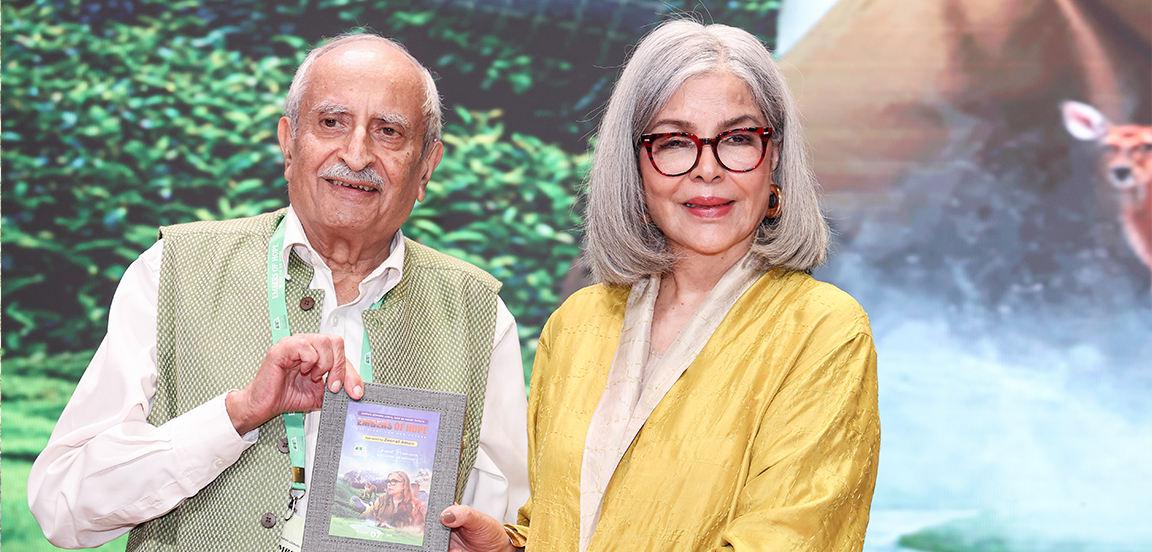
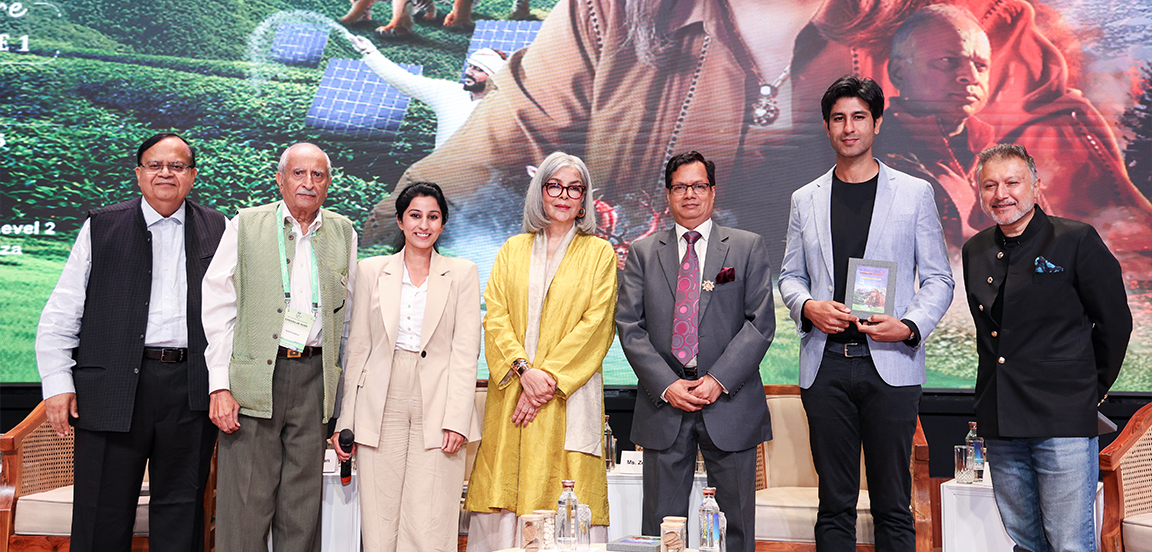
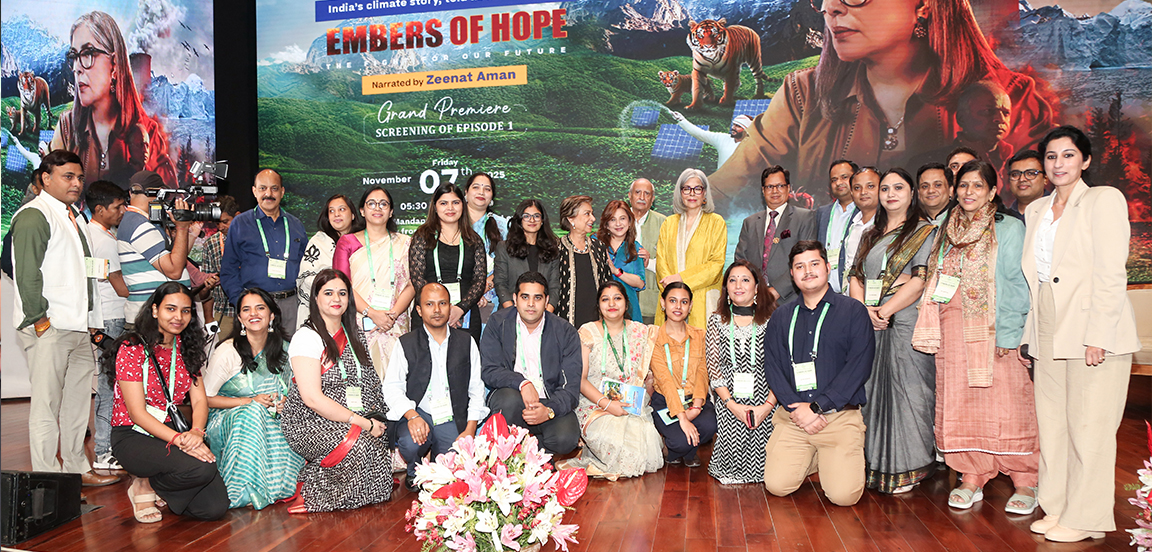
Warner Bros. Discovery (WBD) was selected as the official broadcaster for its global expertise. Robin Roy Films, supported by Prof. Bhaskar Vira of the University of Cambridge, leads production under WBD supervision. The Think Tank guided scripting, identified filming locations, and coordinated with government agencies to secure permissions. Veteran actress Zeenat Aman narrates the series, adding significant impact.
To amplify the series’ impact, a call-to-action campaign will be launched alongside the first episode. The initiative will invite individuals and communities to share their sustainability efforts or highlight impactful environmental work by others. Submissions will be featured on a dedicated webpage, fostering inspiration and knowledge exchange. Designed to engage audiences—especially youth—the campaign will showcase real stories of action, resilience, and responsibility to motivate wider participation in protecting the planet.
Featured Experts
Zeenat Aman
“Embers of Hope’ touched something inside me -I could relate to it in a very personal way. It’s a powerful reminder that climate change is not a distant issue; it’s happening all around us. That’s why documentaries like Embers of Hope, powered by the Mobius Foundation, are so relevant and important. They open our eyes to the reality we often choose to ignore.”
Arjun Nohwar
“Our expertise has always been in education and awareness, and it’s through partnerships with visionaries like Mr. Pradip Burman and the Mobius Foundation that we’ve been able to create lasting impact. For decades, we’ve been addressing issues that challenge and change societal mindsets -and Embers of Hope is a continuation of that mission.”
Robin Roy
When I filmed in Dharali, it was a thriving place. Today, it’s almost wiped off the map. Seeing that change firsthand is heartbreaking – and a stark reminder that climate change isn’t a concept, but a lived reality that erases land, livelihoods, and our shared memory. What’s happening there is a warning of what lies ahead if we continue to look away.”
Prof. Bhaskar Vira
“With Embers of Hope, we turned a subject often seen as dry and technical into something accessible and engaging for the public. It pushed me to rethink how we communicate beyond academia – because despite the crises we face, there is still hope, and a real chance for meaningful change if we act now.”
Pradip Burman
“The urgency to save our planet simply isn’t there. We keep talking, but the action on the ground doesn’t match the scale of the crisis. The root cause of much of our environmental destruction lies in the burning of fossil fuels -yet this is not fully understood or acknowledged by many around the world. We have already breached the 1.5°C threshold, and that should alarm every one of us. The warning lights are flashing red.”
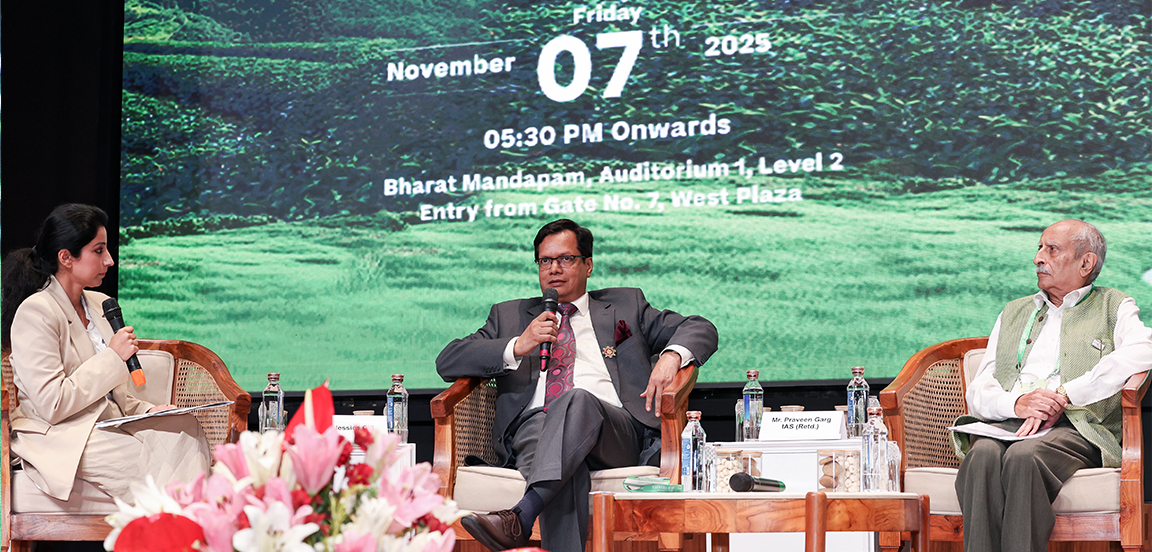
Praveen Garg (Rtd. IAS)
“Embers of Hope is a 10-episode documentary, and our vision is to take it far beyond its premiere on Discovery. We plan to reach people through schools, forums, Doordarshan, large colleges, and various media platforms. Our goal is for at least one million people to watch Embers of Hope. More importantly, we hope it inspires action and brings meaningful change in the lifestyles of individuals, communities, and society as a whole because we are not only speaking about crisis but also showcasing solutions that communities have adopted.”
Jessica Gill
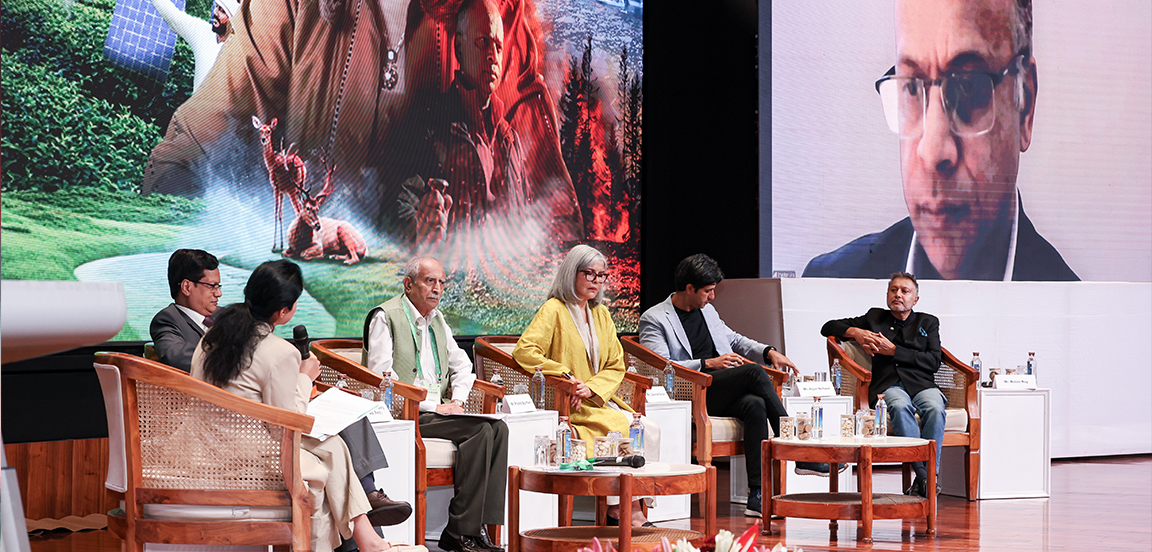
“This conversation brings together research, lived experience, and storytelling to move climate change out of the abstract and into the everyday. By grounding data in real voices and real places, it reminds us that what’s at stake is not just the environment, but people, memory, and the choices we make next.”
Our Partner