Youth for Earth

Enabling Youth Leaders for a Sustainable Future

An annual initiative that empowers young leaders to develop and implement innovative, sustainable solutions through mentorship, guidance and project-based climate action.

Our Footprint

Young People Engaged
0
Projects/ideas Received
0
Prizes Awarded
0

Overview​

Empowering youth with strong leadership skills and creative solutions, the Youth for Earth (Y4E) campaign of the International Conference on Sustainability Education (ICSE) is a flagship initiative that nurtures and celebrates the next generation of sustainability leaders. Launched in 2020 by the Mobius Foundation in collaboration with The Climate Reality Project India & South Asia, Y4E has grown into a dynamic, annual platform that attracts solution-oriented, youth-led projects addressing critical environmental and social challenges.

The campaign encourages young change-makers to explore more sustainable, equitable, and resilient ways of living. It amplifies youth voices, showcases innovative ideas, and builds a global community committed to environmental stewardship and systemic impact. With each edition, Y4E highlights emerging themes such as greening education, climate action, and the transition to a green economy – empowering participants to translate their passion for the planet into concrete projects that effect real change in their communities and beyond.

How We Do It

Winners 2025

Senior Category

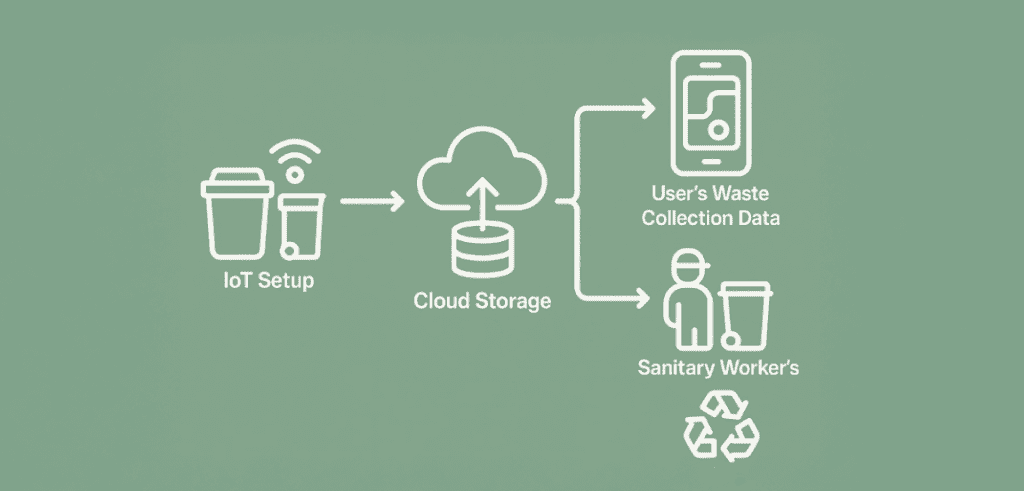
EcoCampus – Dr. Vishwanath Karad MIT World Peace University, Pune

EcoCampus introduces an IoT-driven waste segregation system aimed at improving the management of daily waste. Such technology-based solutions play an important role in promoting efficiency and reducing the volume of waste that ends up in landfills. The project also demonstrates how campuses can serve as models for adopting smart, sustainable practices.

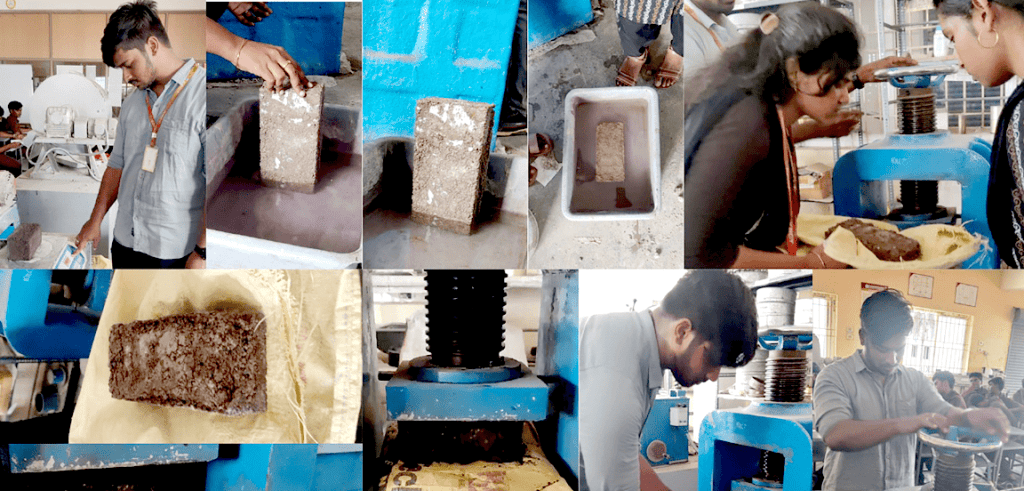
CDP Bricks – K. Ramakrishnan College of Technology, Trichy

CDP Bricks focuses on converting plastic and demolition waste into durable, low-cost eco-bricks. The approach highlights how everyday waste streams can become valuable resources when creatively repurposed. The project also reinforces the importance of sustainable construction materials in addressing environmental challenges and reducing landfill pressure.

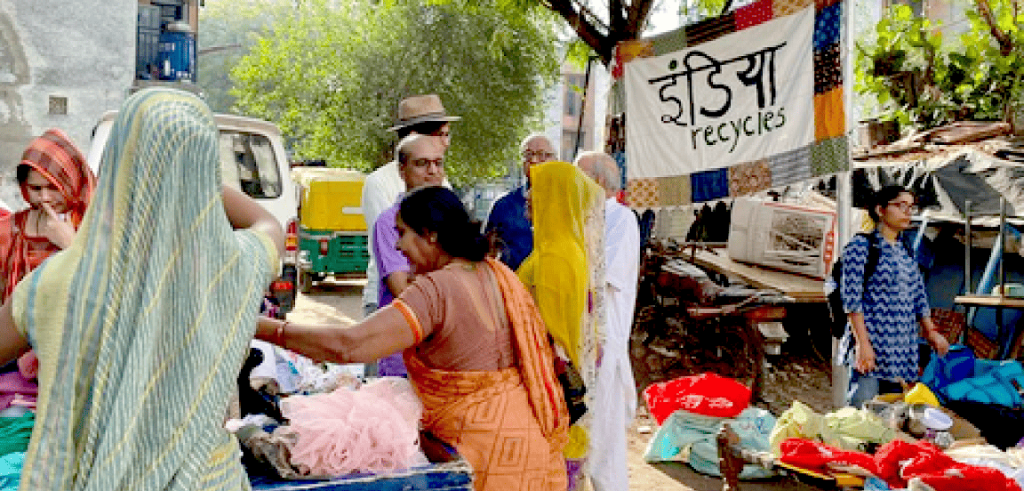
Project Samman – Anant National University, Ahmedabad

Project Samman provides marginalized communities with access to affordable pre-loved goods in a dignified and respectful manner. The initiative reinforces the idea that reuse can be empowering when framed through choice and accessibility rather than charity. By encouraging people to adopt conscious consumption habits, it supports a more sustainable circular economy and helps reduce unnecessary waste.

Junior Category

Project Peelflex – Bal Bhavan Public School, New Delhi

Project Peelflex converts banana peel waste into biodegradable fiber sheets through a natural and low-cost process. This highlights how organic waste can be transformed into useful alternatives to plastic-based products. The project also promotes sustainable thinking by showing how everyday materials can contribute to reducing landfill waste and pollution.

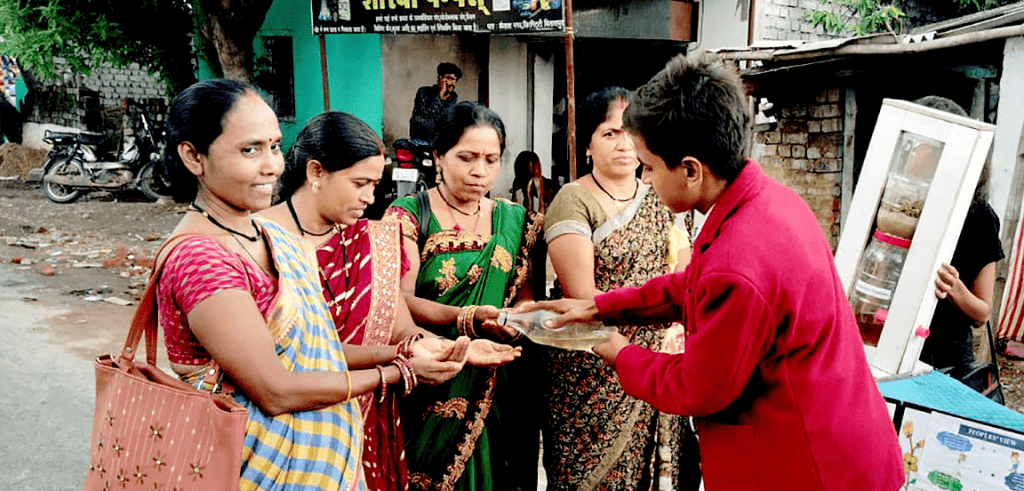
Project Ashitizer – Bharat Mata English Medium Senior Secondary School, Chhattisgarh

Project Ashitizer focuses on turning wood ash into a biodegradable, low-cost sanitizer. This approach demonstrates how simple, locally available materials can be repurposed to address hygiene needs. It also encourages communities to think about waste as a resource and to adopt sustainable practices in daily life.

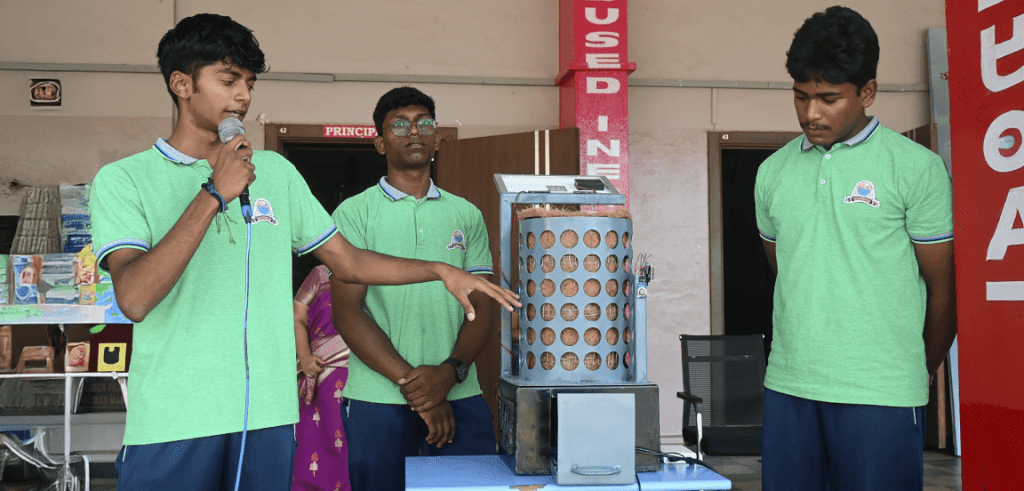
EcoTree 2.0 – Kikani Vidya Mandir, Coimbatore, Tamil Nadu

EcoTree 2.0 introduces a mechanical tree concept designed to help address urban air pollution. By using biodegradable collectors and algae-based systems, it presents an eco-conscious approach to improving air quality. The project also highlights the importance of combining environmental science with creativity to find scalable solutions to city pollution.

Project Stepergy: Power from Every Step – Adarsh Public School, Vikaspuri, New Delhi

Project Stepergy uses piezoelectric tiles to generate clean energy from footsteps in public spaces. This demonstrates how everyday human activity can be leveraged for small-scale renewable energy generation. The project also sparks curiosity about innovative energy solutions and motivates young people to think creatively about sustainability.

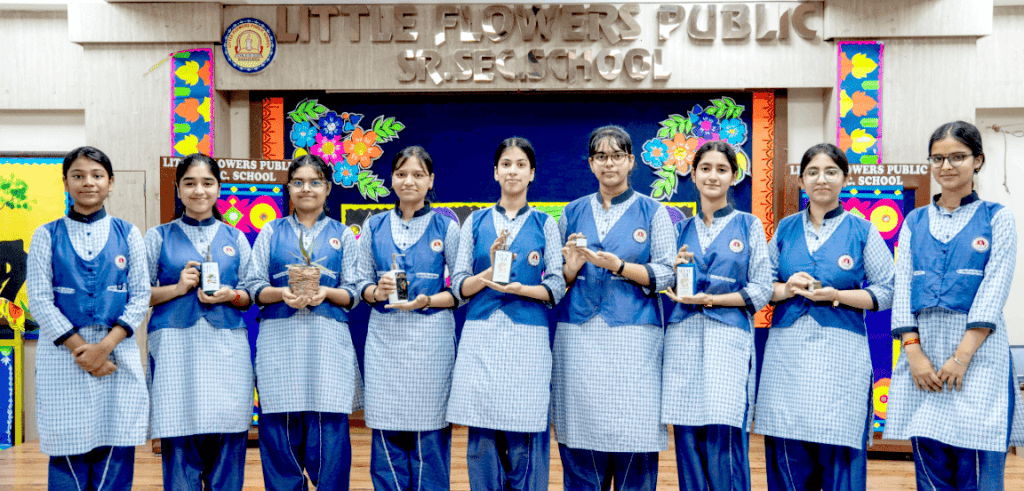
Nature’s Weapon Youth’s Mission – Little Flowers Public Senior Secondary School, Shahdara, New Delhi

This project draws inspiration from traditional neem-based knowledge to create natural, sustainable products. By shifting attention toward eco-friendly alternatives, it encourages reduced dependence on chemical-based solutions. The initiative also helps raise awareness about the value of traditional wisdom in addressing modern environmental issues.

Glimpses

Our Partner