Biosphere Reserves
Strategies for Sustainable Development and Conservation
A multi-expert forum exploring challenges, opportunities, and community-driven strategies to strengthen conservation and sustainable development across India’s biosphere reserves.
Our Footprint
The Idea
Biosphere reserves represent a unique opportunity to protect our natural heritage while promoting sustainable development. They play a crucial role in safeguarding biodiversity, promoting sustainable livelihoods, and advancing the 2030 Agenda for Sustainable Development.
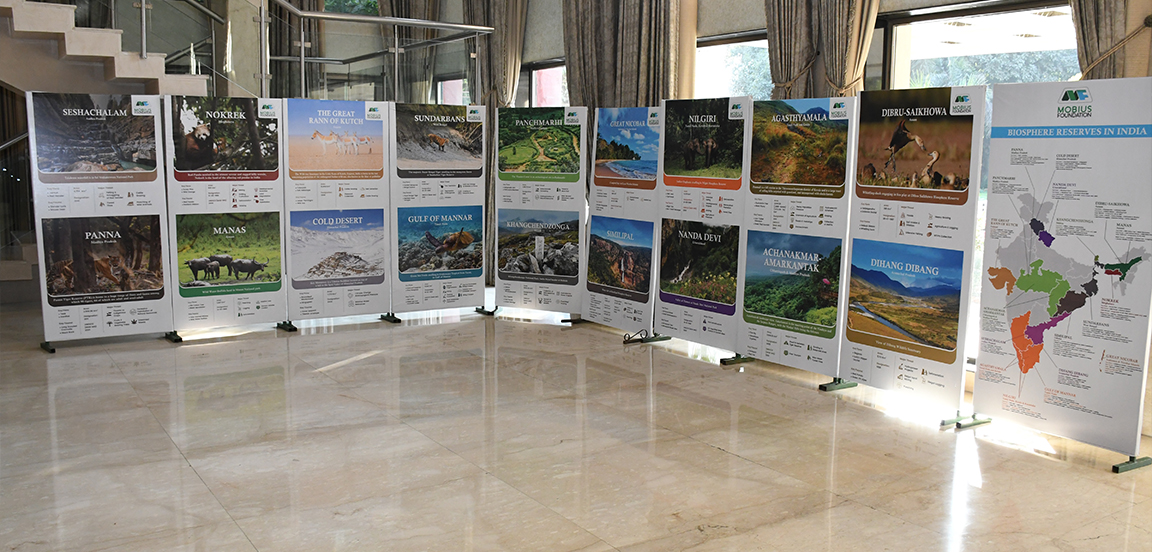
Biosphere Reserves, established under UNESCO’s Man and the Biosphere (MAB) Programme, are living laboratories. India hosts 18 such reserves across varied ecosystems – forests, coasts, deserts, and islands – each preserving unique biodiversity and supporting indigenous livelihoods. These reserves aim to protect ecosystems, promote green economies, and preserve cultural heritage while also enhancing local identity and enabling community-led conservation. Despite this they face growing threats from deforestation, climate change, illegal wildlife trade, and unchecked tourism.
Overview
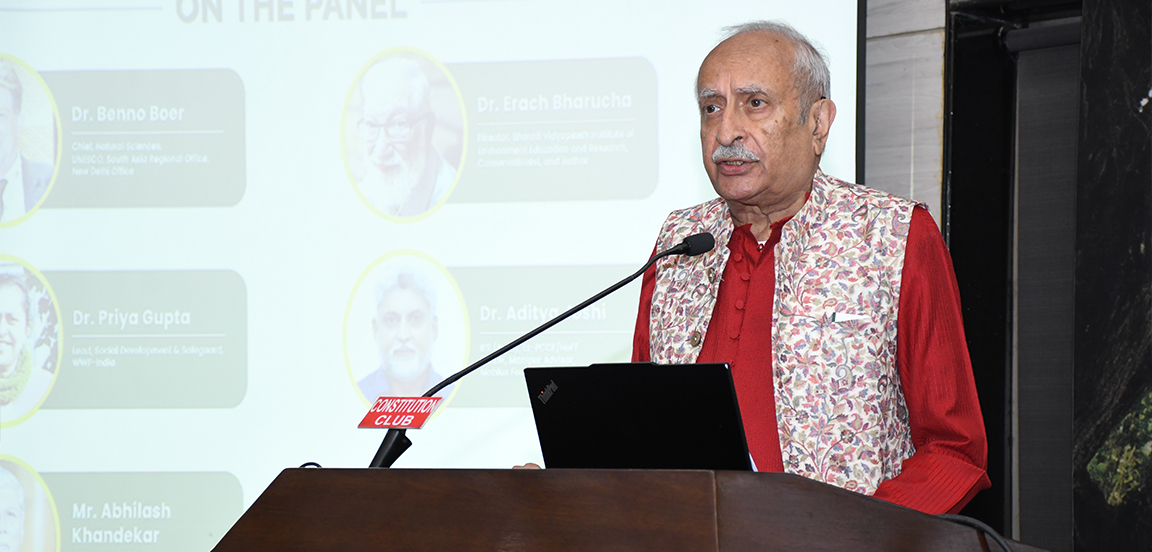
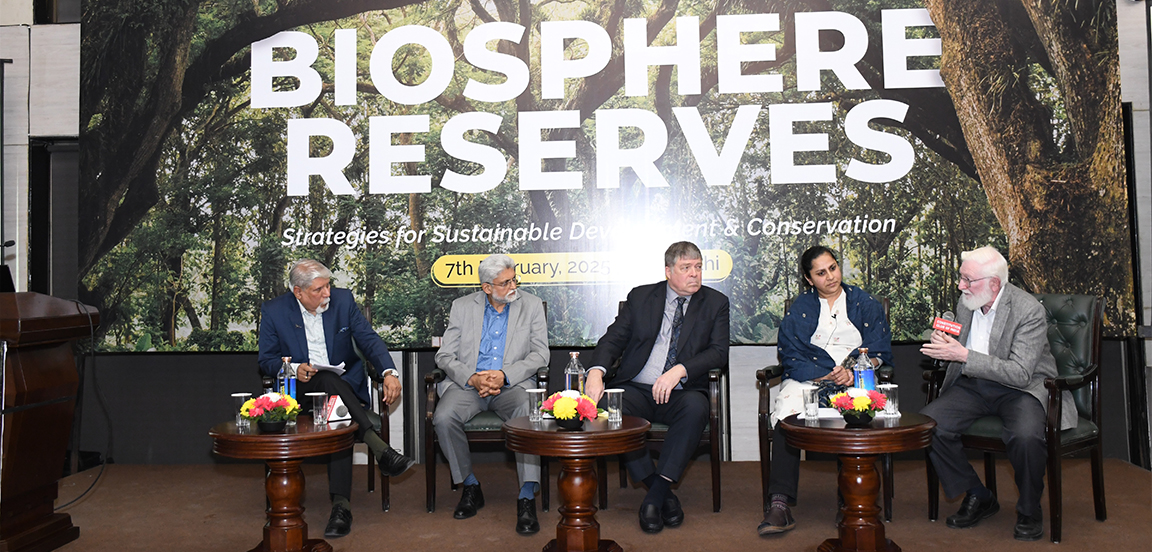
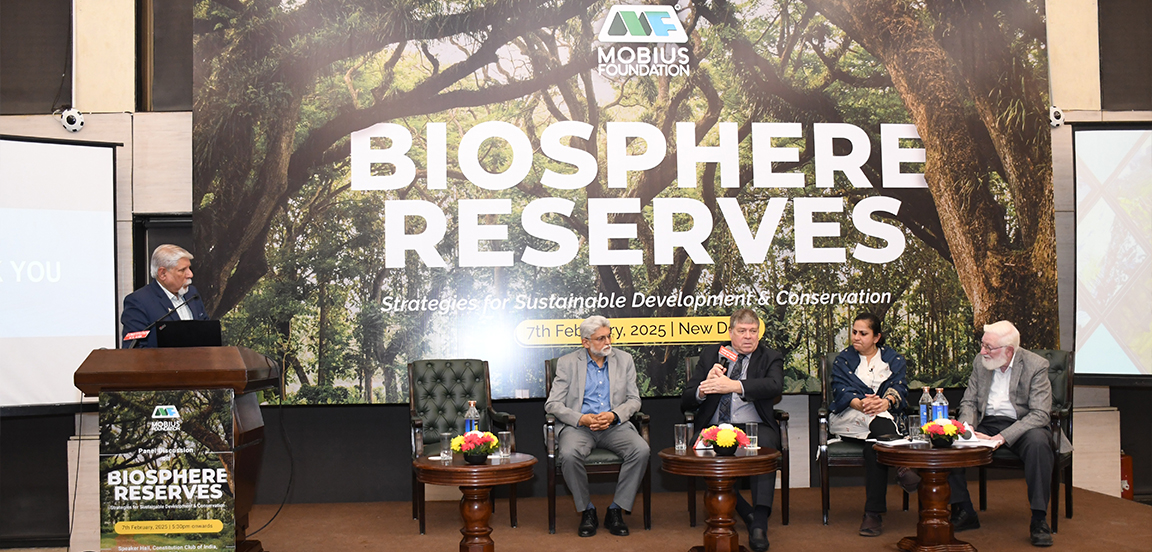
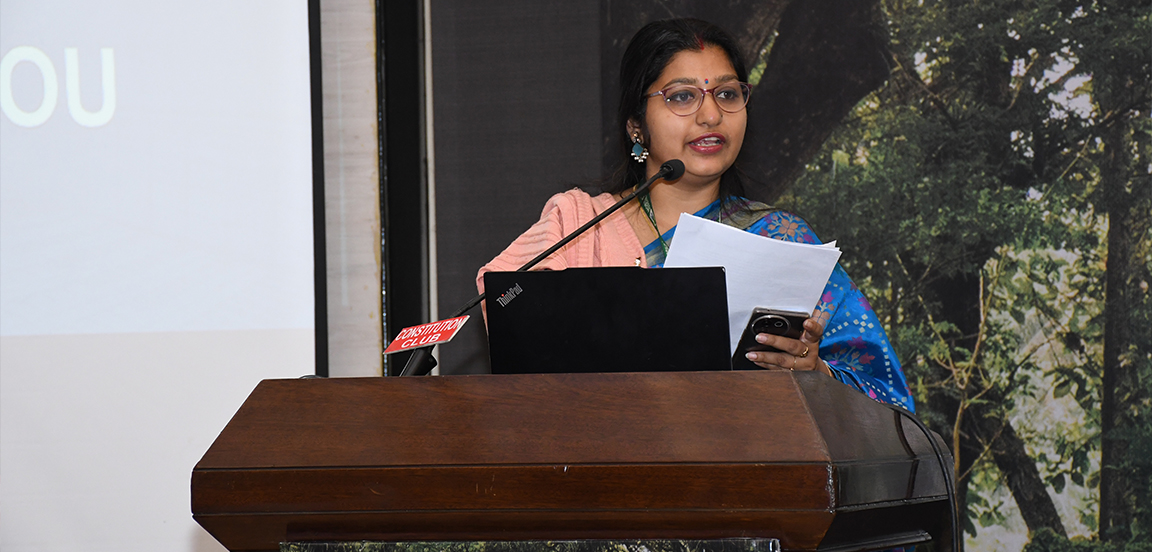
Mobius Foundation hosted a panel discussion on ‘Biosphere Reserves: Strategies for Sustainable Development and Conservation’ at the Constitution Club of India, featuring experts from UNESCO, WWF, and academic institutions. Panellists highlighted the importance of biosphere reserves, as well as several challenges, including inadequate research and monitoring infrastructure, limited community engagement, conflicts between conservation and local needs, threats from unregulated development, invasive species, and funding constraints.
Key opportunities identified include enhancing biodiversity conservation, habitat protection, governance, sustainable livelihoods, and integrating indigenous knowledge. Recommendations emphasized strengthening community participation and alternative livelihoods, investing in research and monitoring, promoting organic agriculture, ecotourism, and renewable energy within reserves. Innovative funding mechanisms, such as carbon credits and biodiversity offsets, were suggested to support conservation, while fostering collaboration among governments, communities, researchers, and the private sector for integrated management.

Featured Experts
Dr. Benno Boer
Chief of Natural Sciences at UNESCO (South Asia Regional Office)
Dr. Priya Gupta
Lead, Governance, Law & Policy at WWF India
Dr. Erach Bharucha
Director of Bharati Vidyapeeth Institute of Environment Education and Research
Dr. Aditya K Joshi, IFS (Retd.)
Advisor at Mobius Foundation
Mr. Abhilash Khandekar
Senior Journalist (Moderator)