Mobius Young Climate Leaders
You Cannot Build the Future Without Those Who Will Inherit It
Youth-led environmental initiative future climate leaders across north-east India to drive grassroots action, education, and innovation for ecological resilience
Our Footprint
Schools Reached
0
Mobius Young Climate Fellows
0
Estimated CO₂ Emissions Avoided
0
kg
Village Councils Involved
0
Students Impacted
0
Trash Collected Through Green Friday Initiative
0
kg
Beekeepers Surveyed
0
+
State Grant Mobilized for Honey Sector
₹
0
Overview
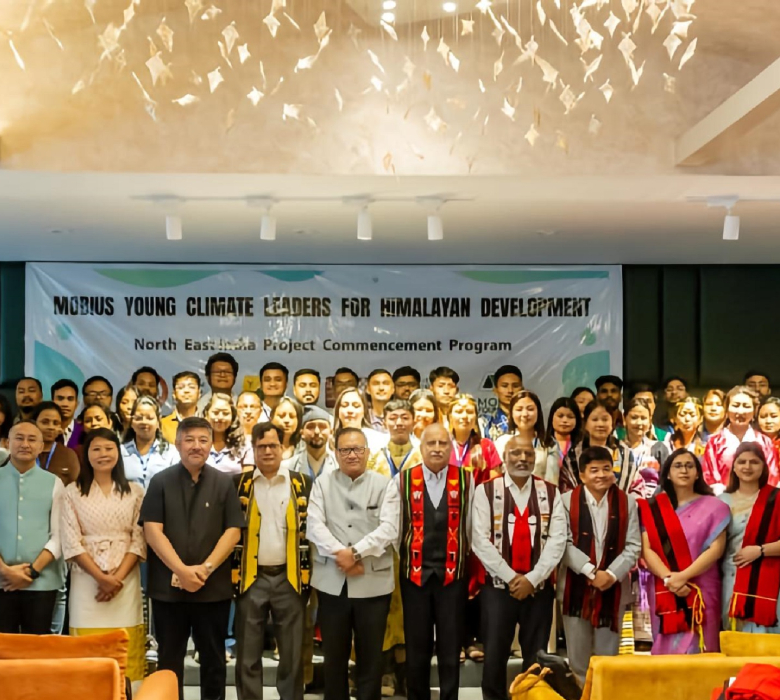
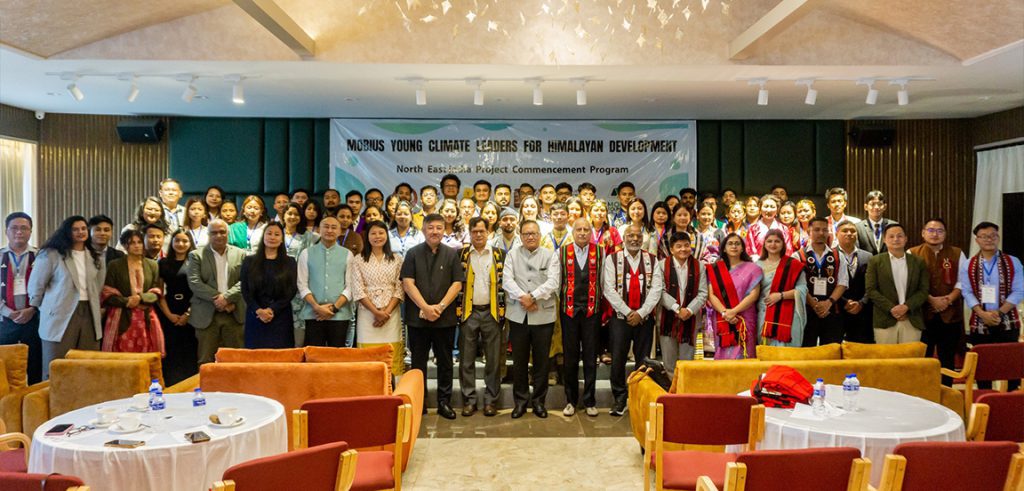
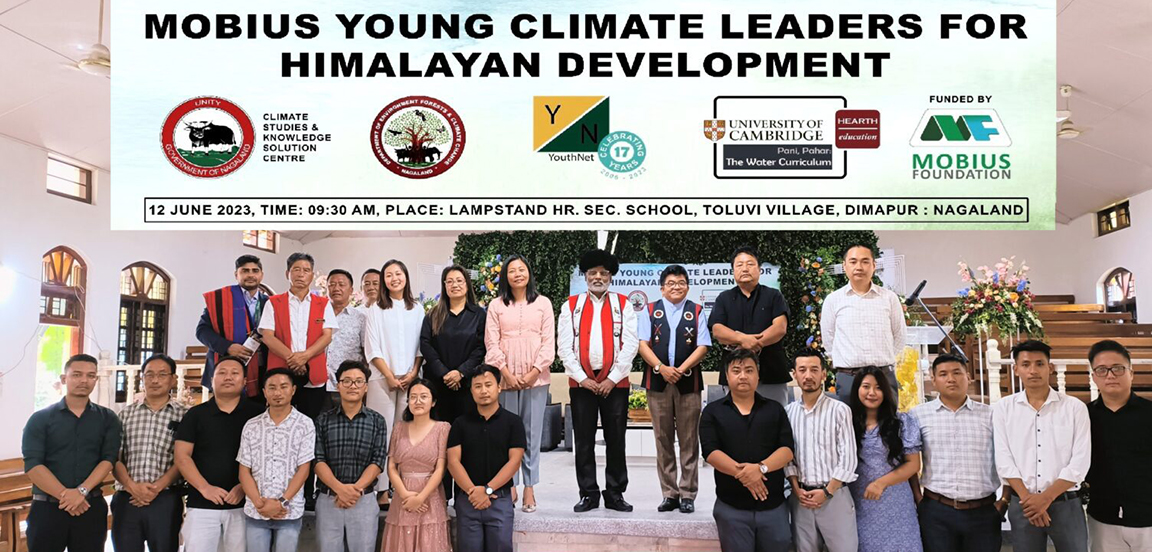
The Mobius Young Climate Leaders for Himalayan Development (MYCL) – Nagaland project is a flagship initiative of the Mobius Foundation, implemented in collaboration with the Climate Studies Knowledge Solutions Centre, Government of Nagaland, and YouthNet, a youth-led non-profit organisation. Launched in April 2023, the project seeks to empower youth-led climate action while addressing deforestation and promoting sustainable livelihoods in Nagaland’s forested landscapes.
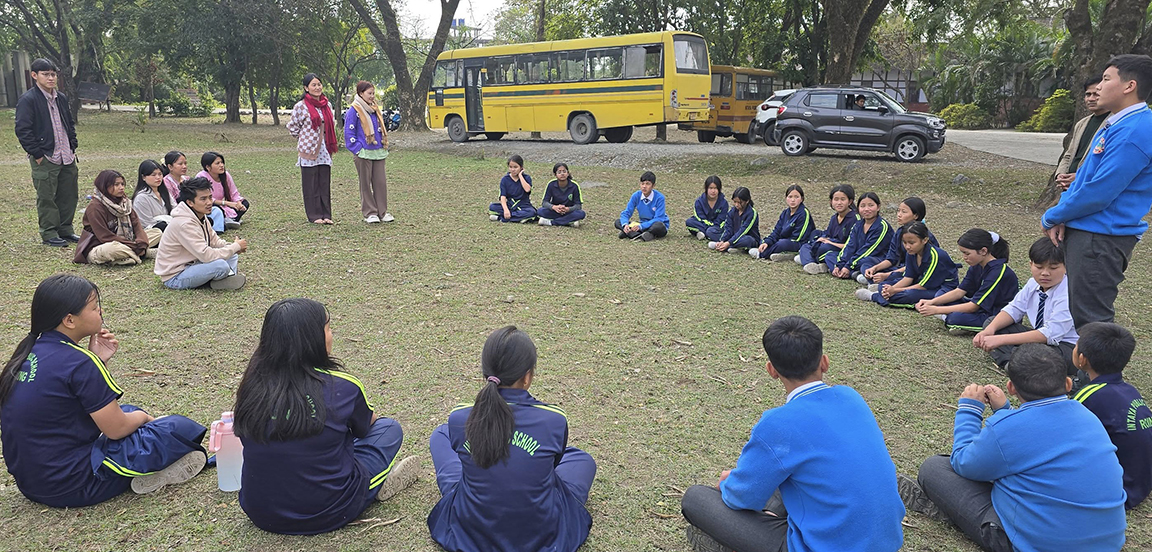
MYCL nurtures a new generation of climate leaders through a Forestry Graduate Fellowship, which equips young environmental and forestry graduates with hands-on research, field implementation, and leadership skills. The project also integrates climate and environmental learning into schools through the Panipahar curriculum, fostering early awareness and stewardship among students.
In parallel, MYCL supports forest ecosystem regeneration by strengthening local, nature-based value chains-particularly sustainable honey production, leveraging its ecological and livelihood potential. By linking youth leadership, education, and community-driven innovation, MYCL advances inclusive pathways to climate resilience and sustainable development.
How We Do It
Environmental Education in Schools
- Introduction of the Pani-Pahar curriculum in 16 schools across Dimapur, jointly developed by the University of Cambridge, UK, and The Centre for Ecology Development and Research in India (CEDAR), The Hearth Education Advisors, and the South Asian Institute for Advanced Studies in Nepal (SIAS).
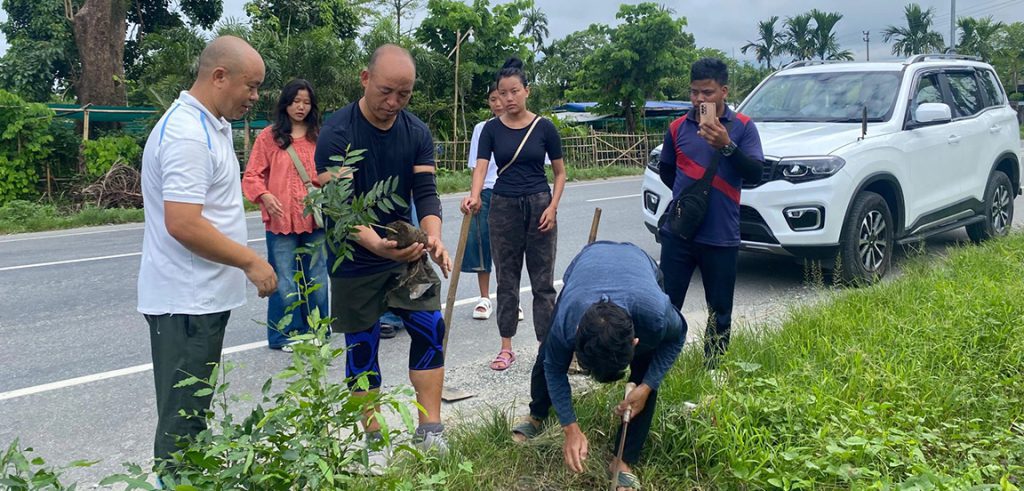
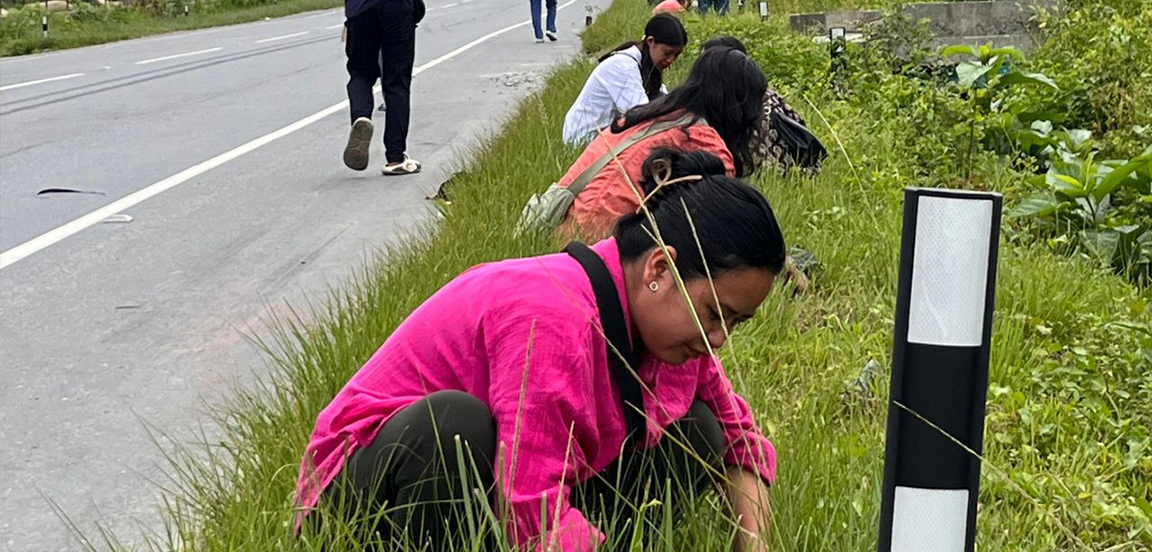
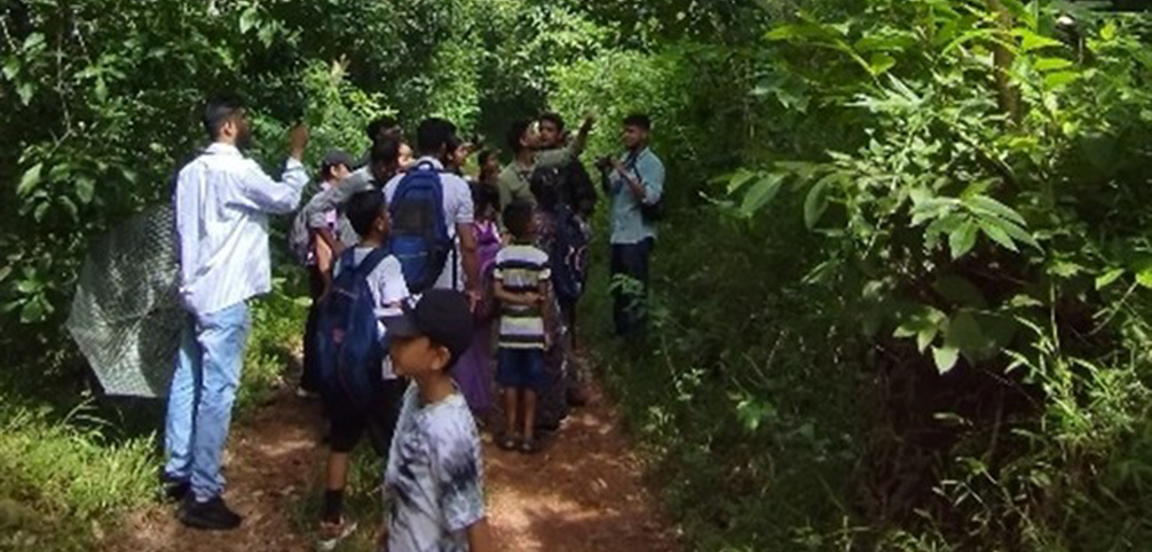
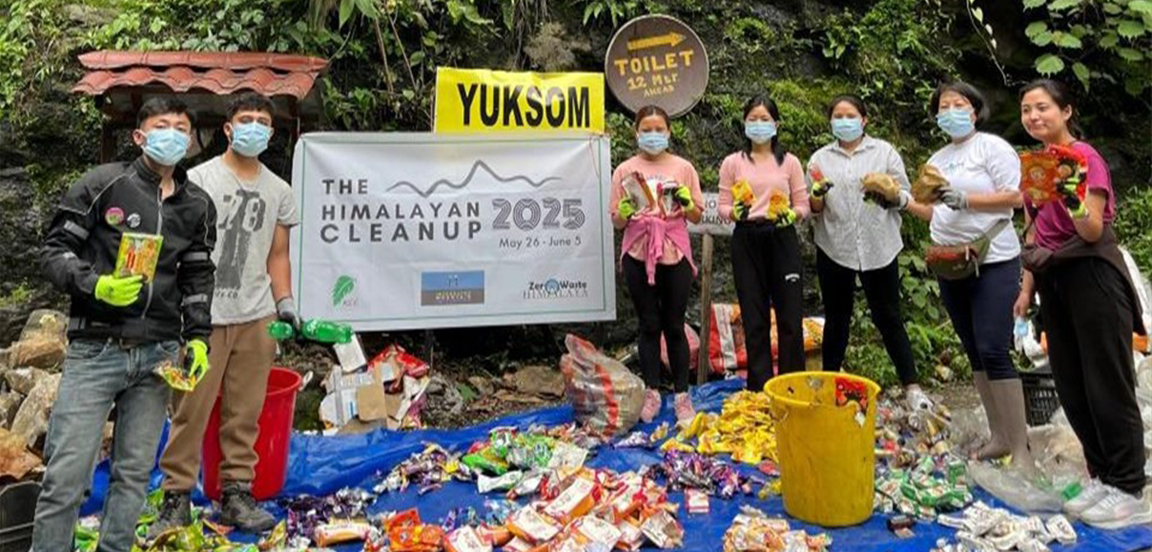
- Hands-on waste management activities like Mobius Green Friday engage students in practical environmental action.
- Collaboration with Village Councils and District Administrations to ensure sustainability and community participation.
Capacity Building for Youth Professionals
- Eight forestry graduates from Nagaland were trained as Mobius Young Professionals, gaining hands-on experience with the JICA-supported forestry projects.
- Exposure to biodiversity mapping, GIS-based project demarcation, and participatory community engagement.
Research and Innovation for Forest Regeneration
- Field research on honey value chains in collaboration with the Nagaland Beekeeping and Honey Mission.
- Identification of key villages (e.g., Ighanumi) for interventions and scaling of livelihoods.
- Publication of Roots and Wings, a field guide to urban biodiversity, in partnership with the state forest department.
Interventions
Mobius Green Friday Initiative
- A student-led weekly recycling effort, turning homes and schools into hubs for responsible waste segregation.
- Collection of over 500 kg of recyclable waste, leading to carbon emission reductions and behavioural change among youth.
Curriculum Delivery & School Engagement
- Integration of the Pani-Pahar curriculum into mainstream learning, supported by training for teachers and sensitization of students.
- Strong support from school management and local governance bodies enhanced program sustainability.
Hands-on Forestry Experience
- Professionals contributed to GIS-based forest mapping, biodiversity documentation, and sustainable project management.
- Participation in the JICA and Honey Mission projects deepened their understanding of ecosystem services and community-based conservation.
Knowledge Sharing & Recognition
MDP Mr. Imliyanger represented the project at the Pan Himalaya Waste Management Conference, showcasing the MYCL model as a replicable initiative across the Himalayan region.
Policy and Market Linkages
The MYCL team’s research helped influence state-level planning for the honey sector and contributed to resource mobilization.
Our Partners