VIRAM: Agenda Sustainability
An 12-episode series posting bold questions and sparking urgent dialogue on population, environment, and our collective future.
Our Footprint
Overview​
How We Did It
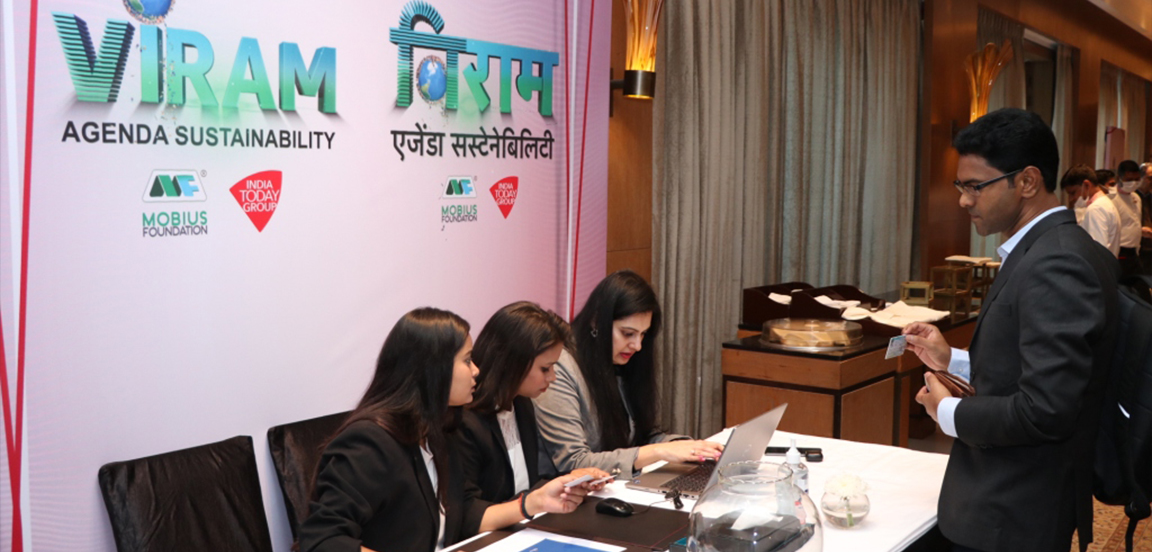
Launch Event
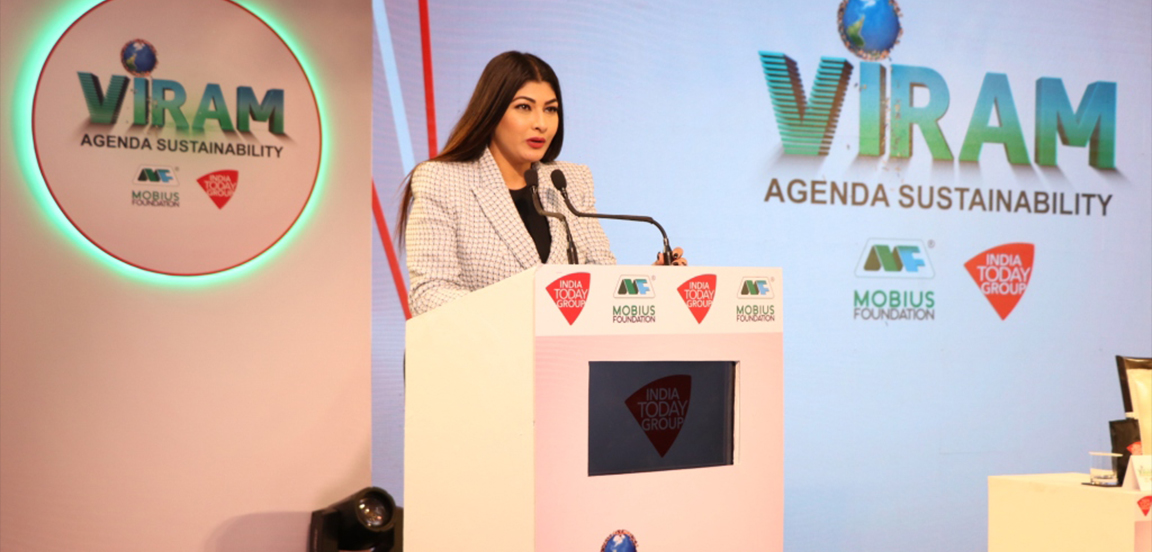
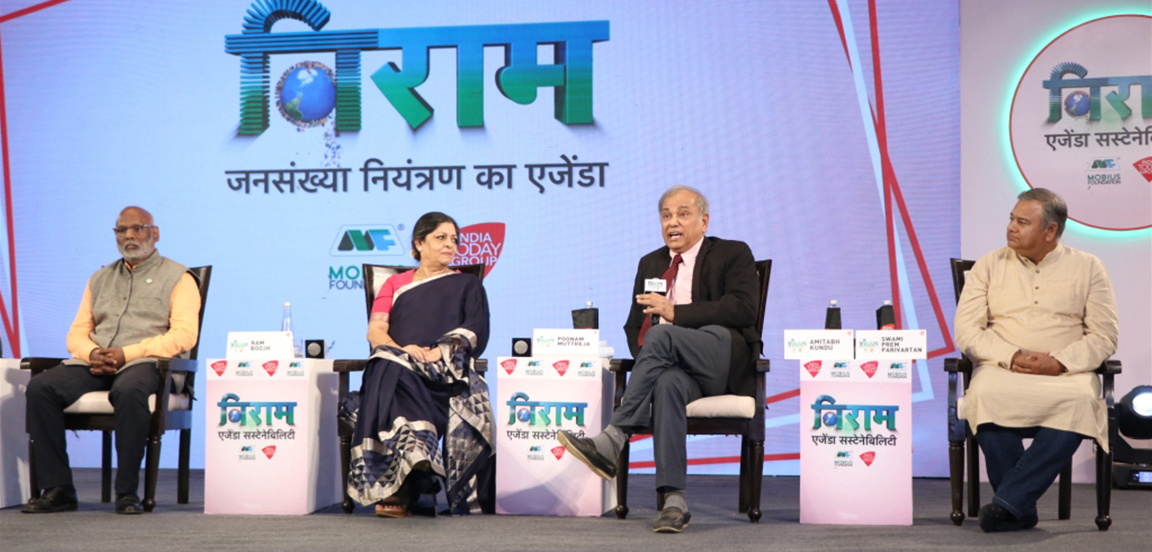
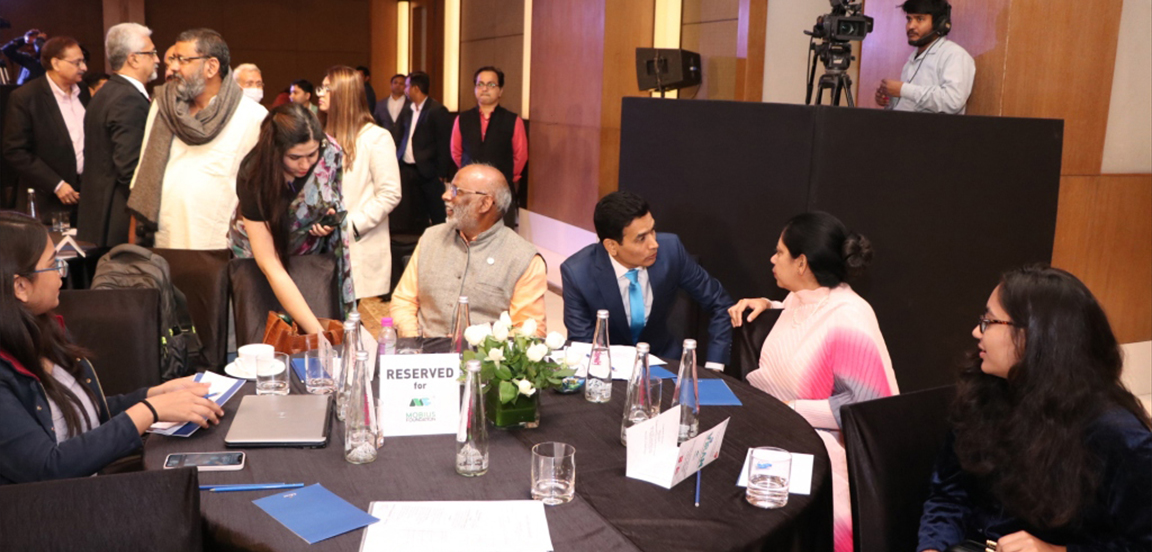
- The VIRAM: Agenda Sustainability launch event, organized by Mobius Foundation in collaboration with the India Today Group, served as a pivotal platform to spark nationwide dialogue on population stabilisation as a critical pillar of sustainability.Â
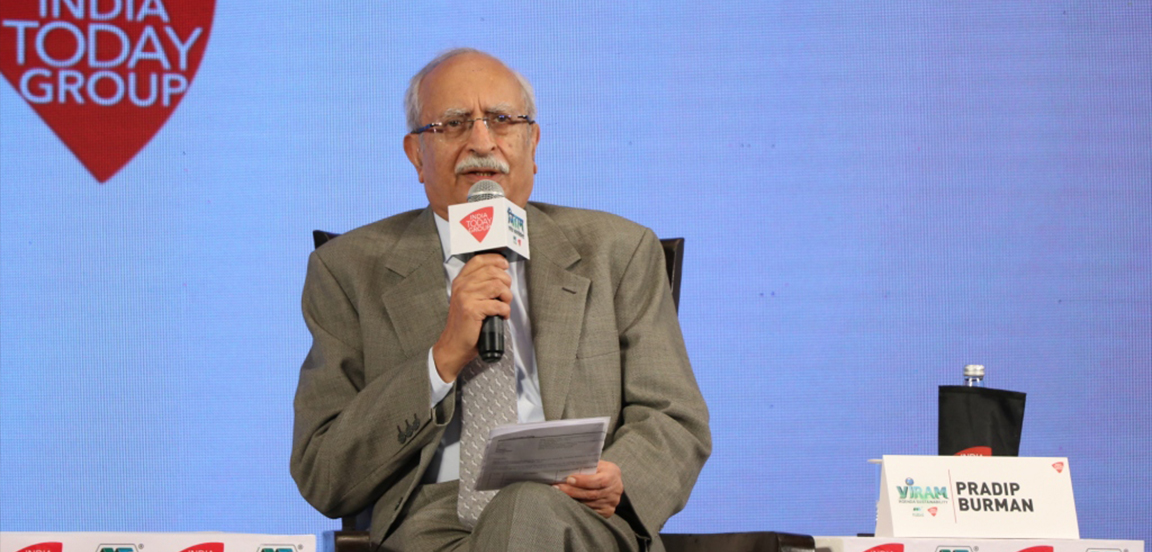
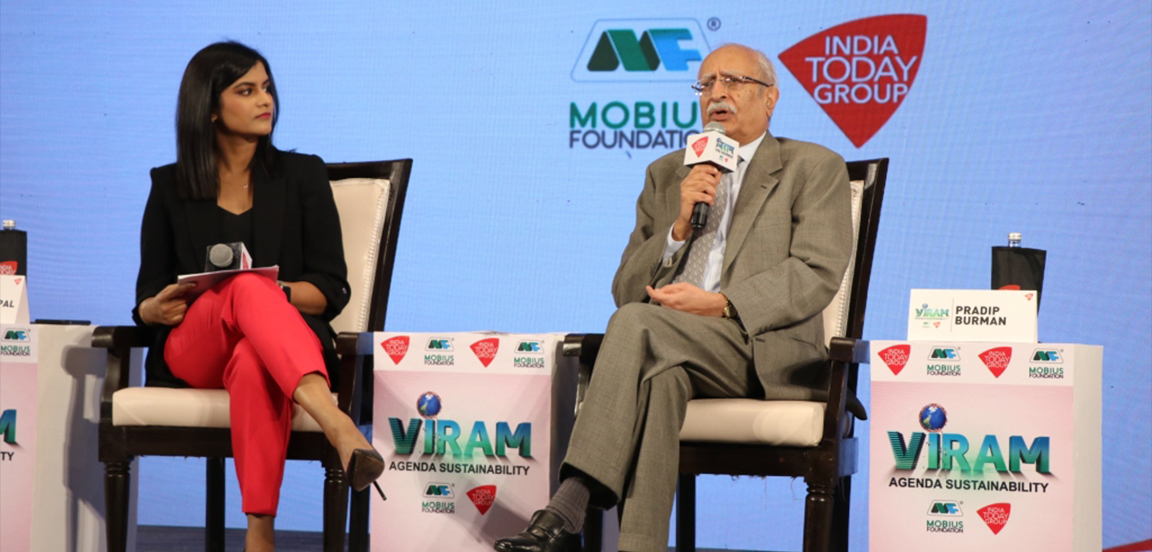
- The event featured a compelling Fireside Chat between Mr. Pradip Burman, Chairman of Mobius Foundation, and Ms. Akshita Nandagopal, who discussed initiatives like Project Aakar. The Curtain Raiser Session, hosted by Mr. Sayeed Ansari, included a special guest address by comedian and performer Mr. Zakir Khan.Â
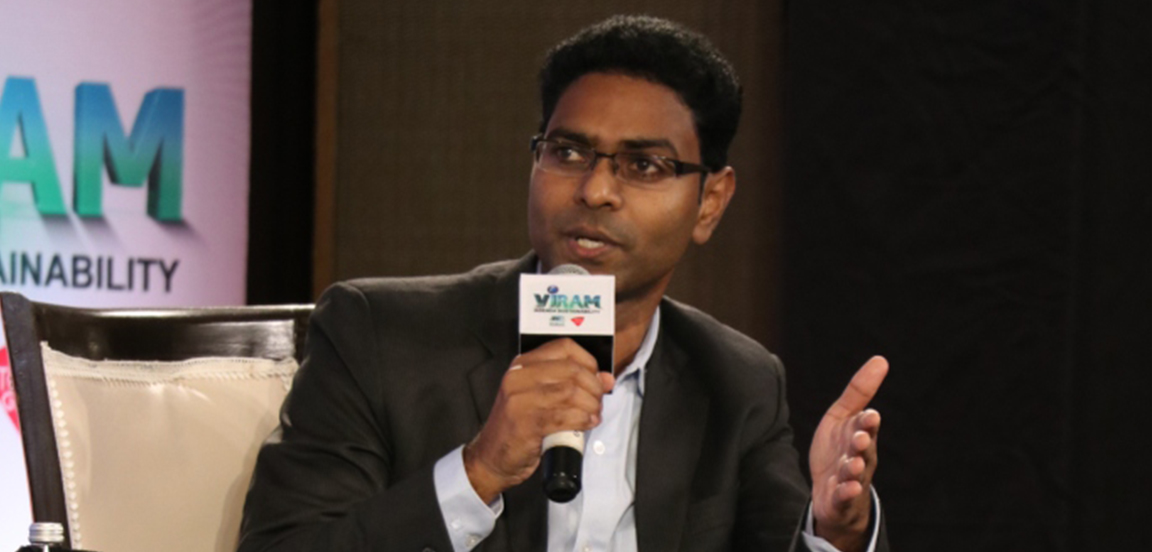
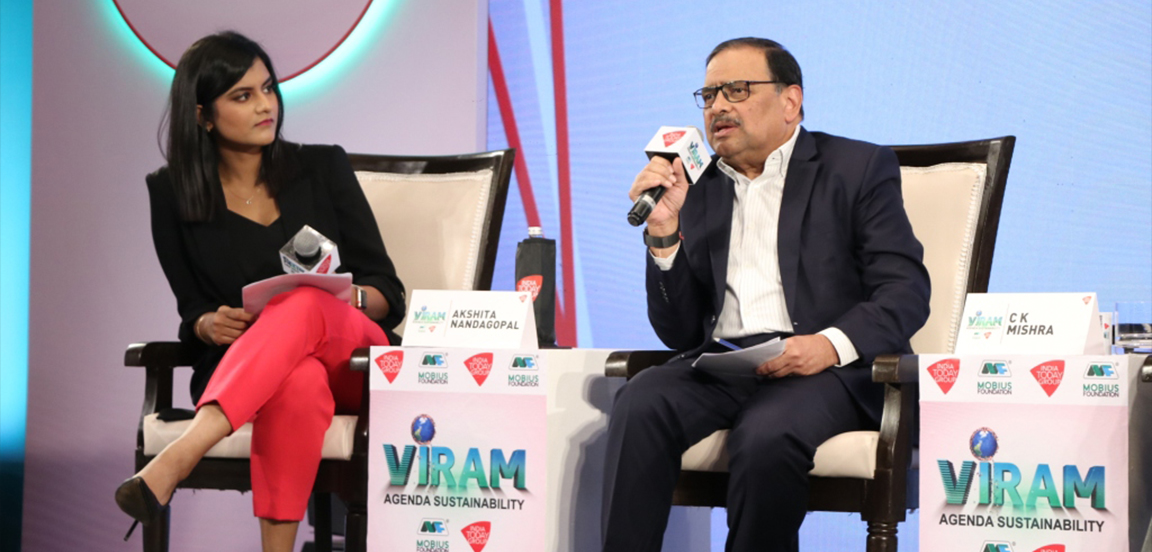
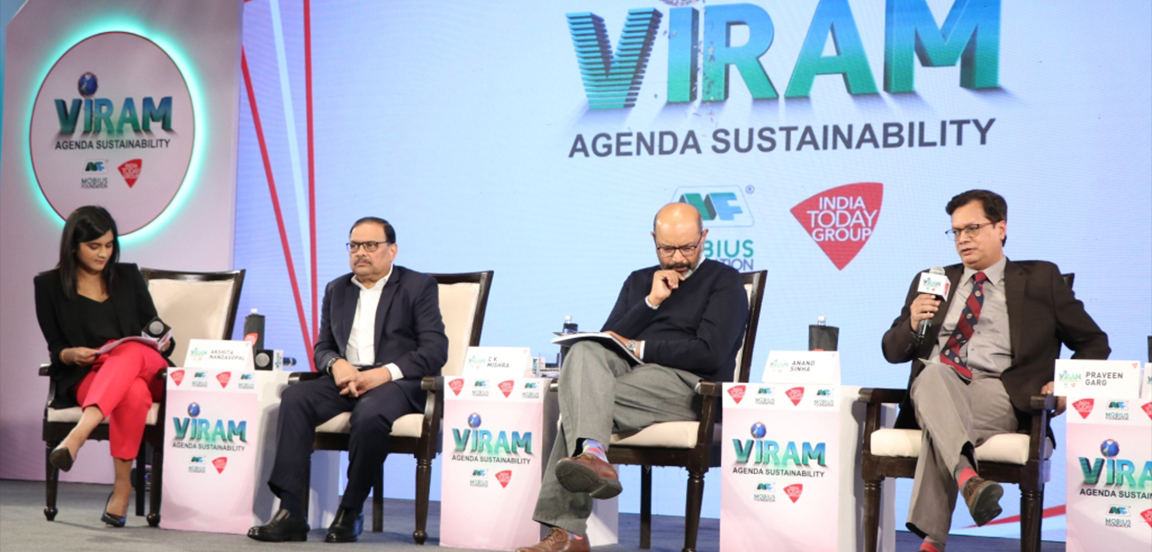
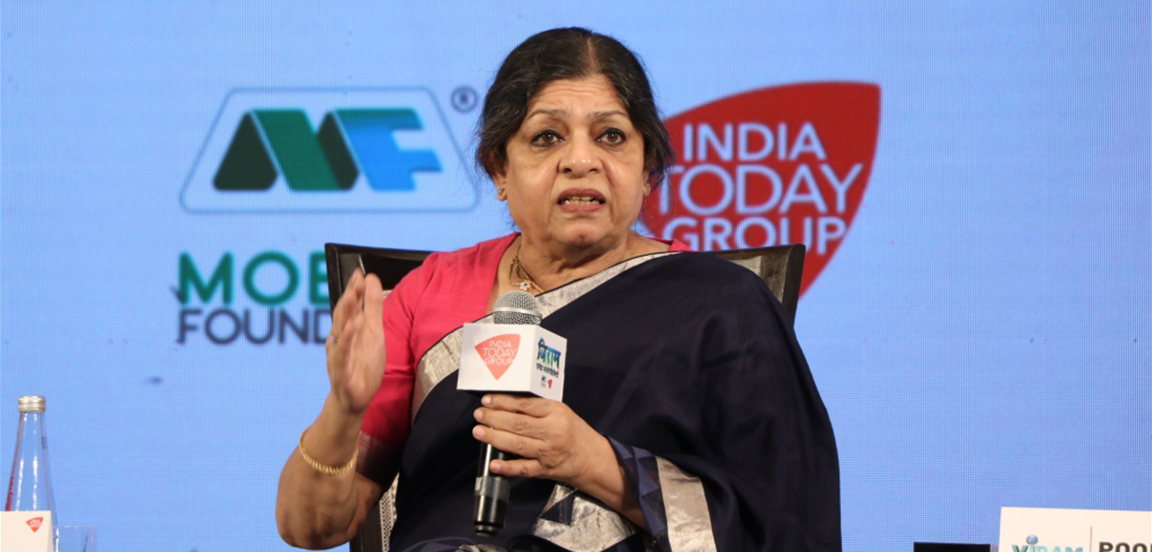
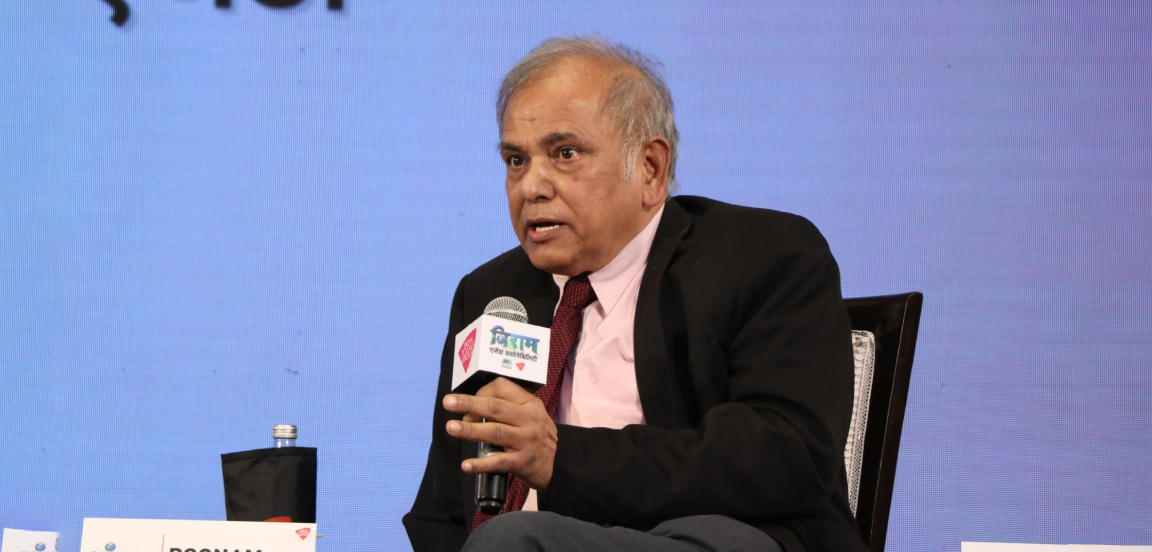
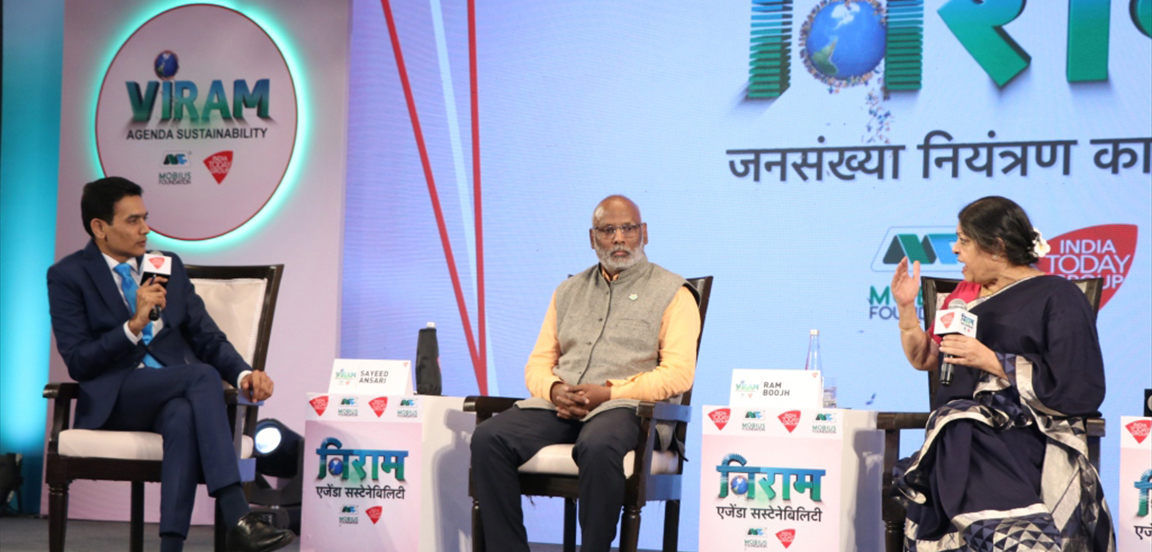
- Two Expert Panel Discussions followed: the first, moderated by Ms. Nandagopal, brought together experts like Mr. C. K. Mishra and others to examine the multifaceted impacts of overpopulation; the second featured thought leaders such as Ms. Poonam Muttreja, Mr. Amitabh Kundu, Swami Prem Parivartan, and Dr. Ram Boojh, focusing on data, policy, and grassroots perspectives for sustainable population management.
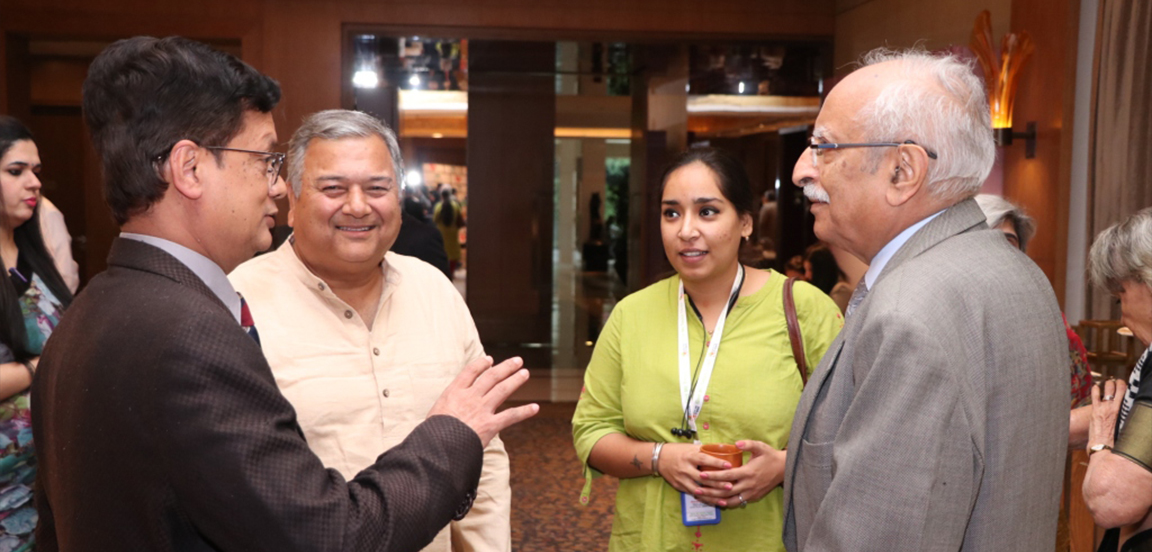
Culmination Conclave
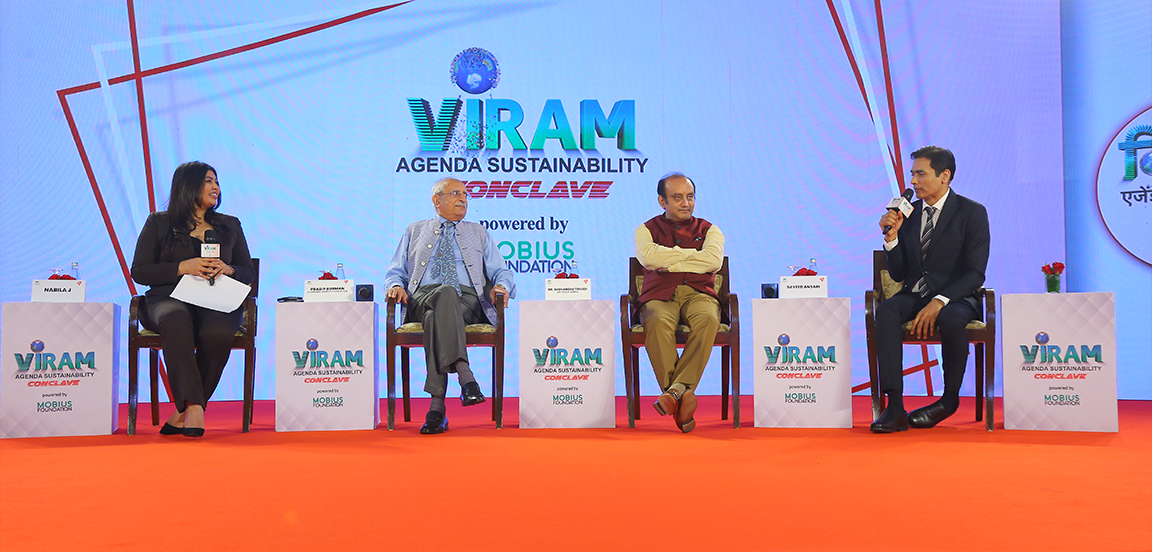
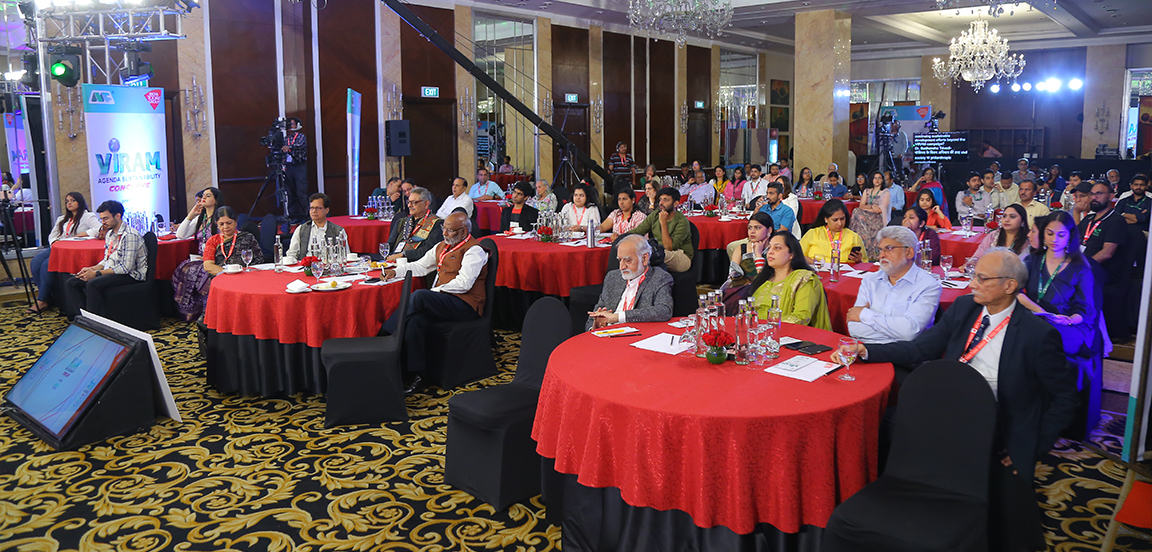
The culminating event of the year-long VIRAM: Agenda Sustainability campaign, organised by the Mobius Foundation in collaboration with the India Today Group, brought together prominent policymakers, environmentalists, academics, and media figures to address the urgent issue of population stabilisation as a critical component of sustainable development. The event featured a powerful one-on-one interaction between Mr. Pradip Burman, Chairman of Mobius Foundation, and Chief Guest Dr. Sudhanshu Trivedi, Member of Rajya Sabha, highlighting the demographic and ecological stakes of unchecked population growth.
Panel Discussions included:
- The English panel, hosted by Ms. Nabila Jamal, featured experts like Kiran Karnik, Mr. Praveen Garg, Poonam Muttreja, and Arun Krishnamurthy, who examined the global implications of demographic imbalance.
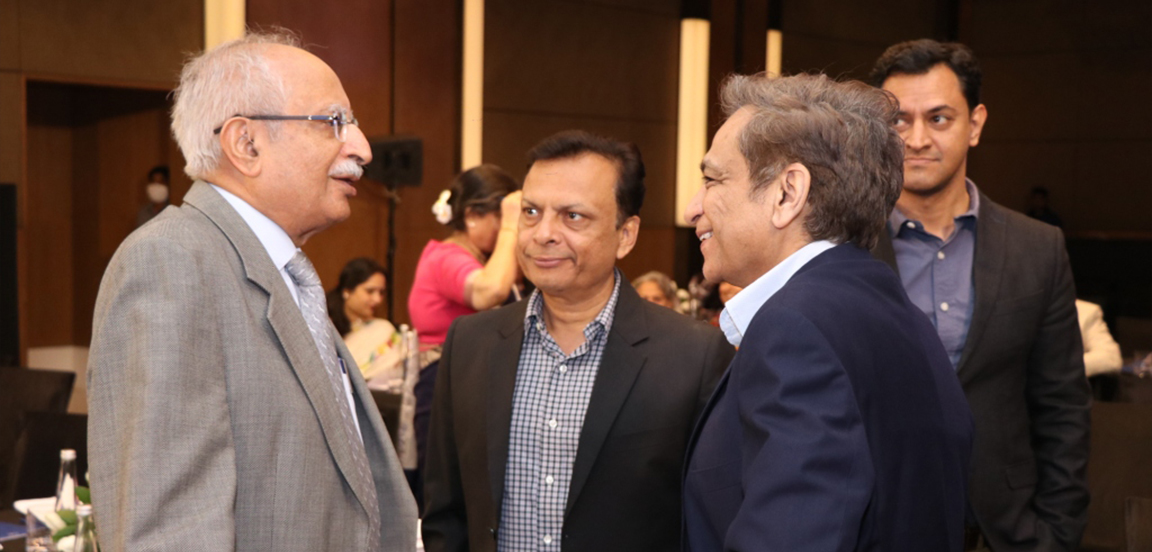
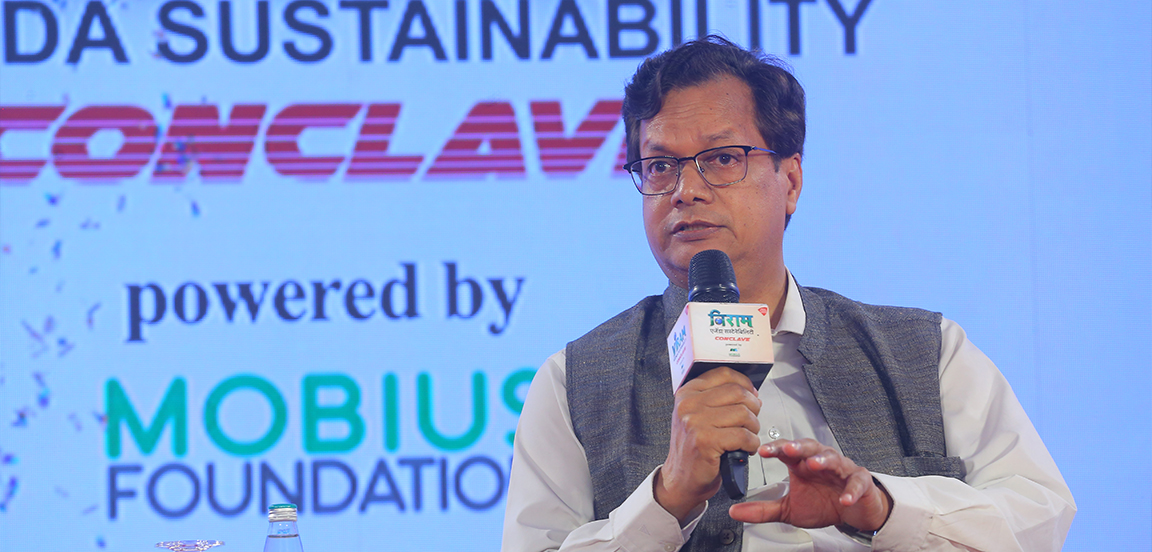
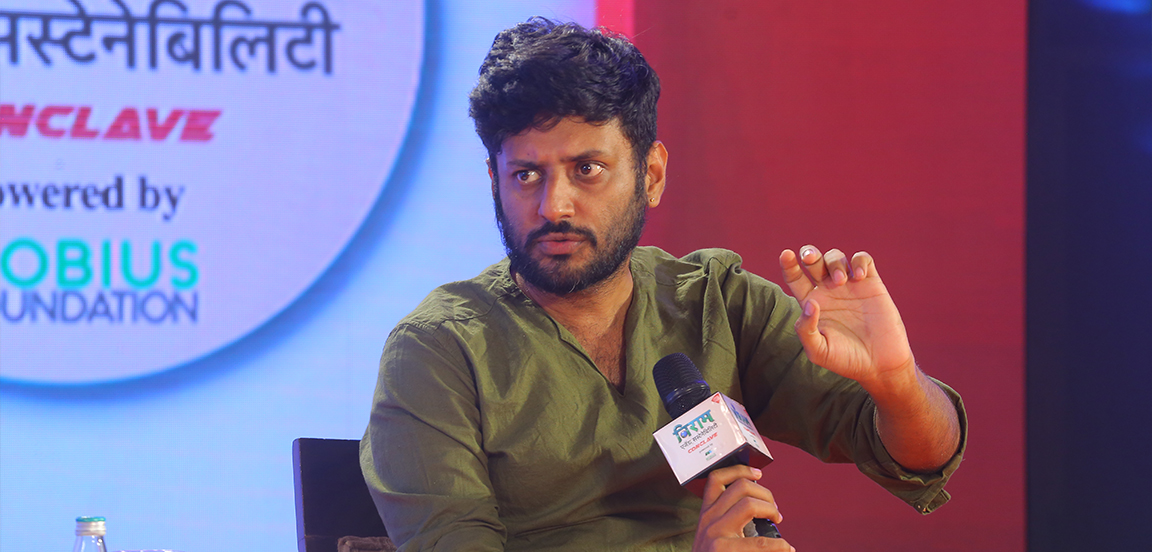
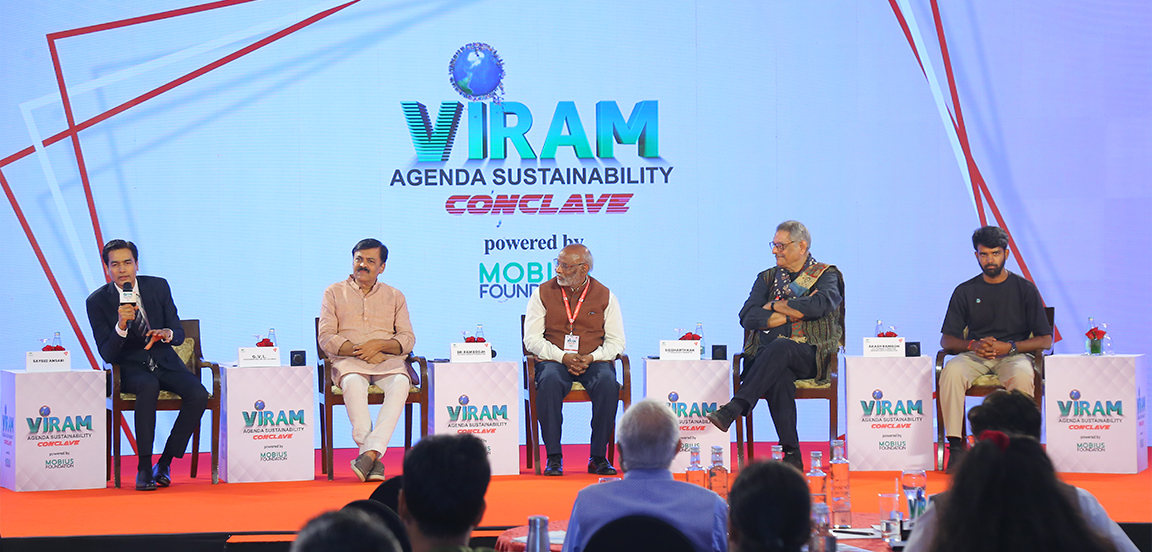
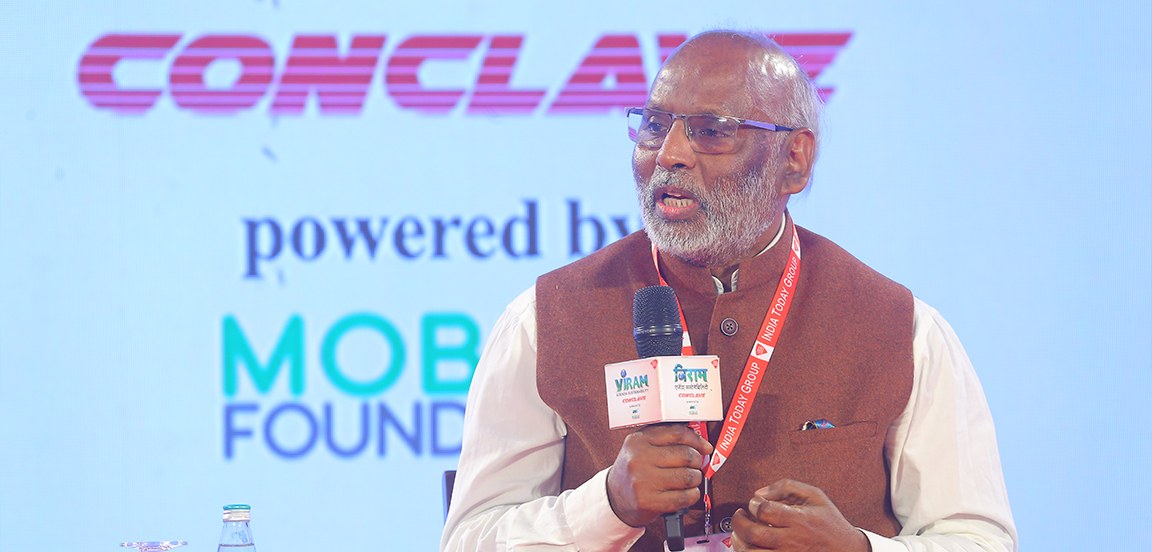
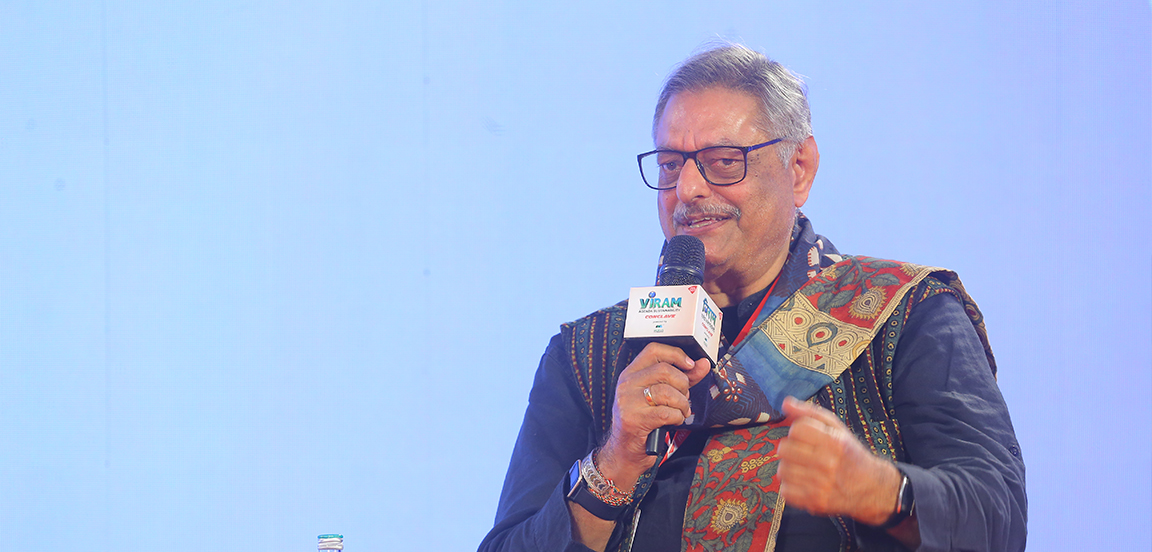
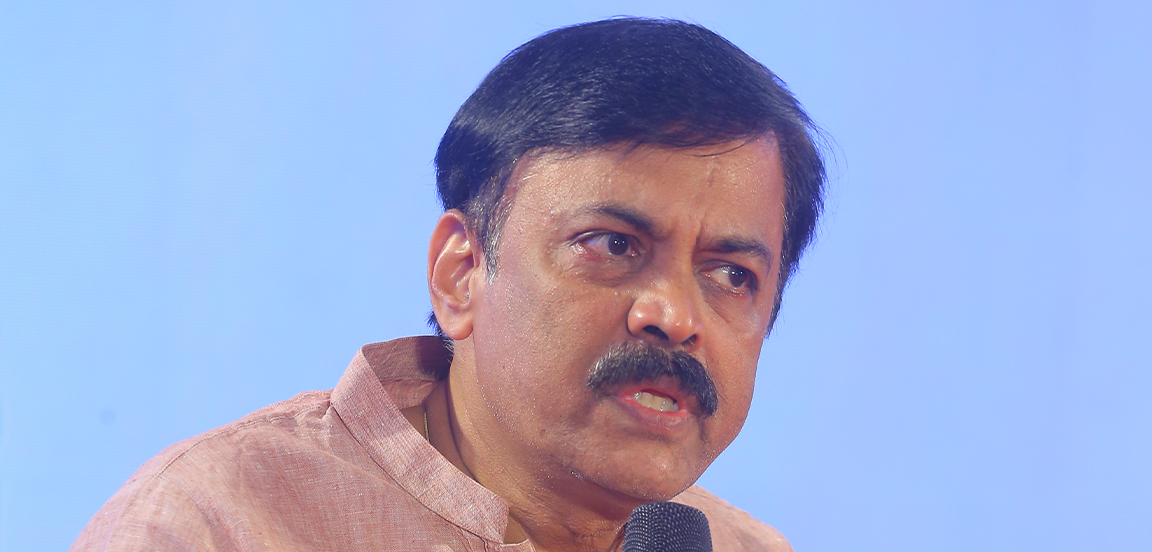
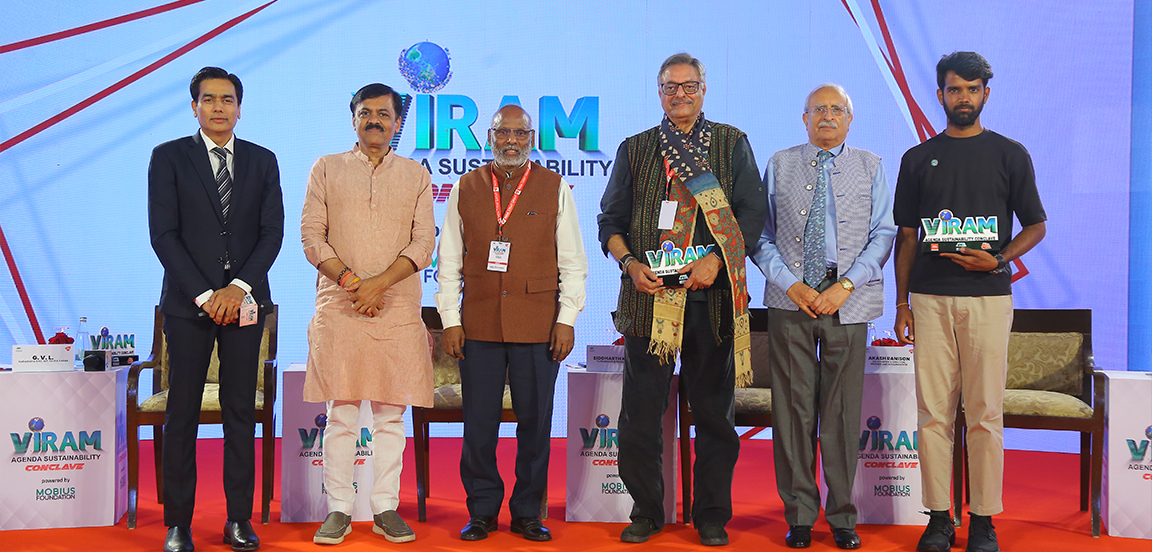
- The Hindi panel, moderated by Mr. Sayeed Ansari, delved into the interdependence of population control and environmental resources with panelists including G.V.L. Narasimha Rao, Dr. Ram Boojh, Siddharth Kak, and Akash Ranison.
Episodes
Episode 1 | Launch
Episode 2 | Climate Change Vs Population
Episode 3 | Air Pollution Vs Population
Episode 4 | Water Pollution Vs Population
Episode 5 | Biodiversity
Episode 6 | Population Vs Over consumption And Waste (Part 1)
Episode 6 |Population Vs Over consumption And Waste (Part 2)
Episode 7 | International Conference on Sustainability Education
Episode 8 | Natural Resources (Part 1)
Episode 8 | Natural Resources (Part 2)
Episode 9 | Education (Part 1)
Episode 9 | Education (Part 2)
Episode 9 | Education (Part 3)
Episode 10 | Agriculture (Part 1)
Episode 10 | Agriculture (Part 2)
Episode 11 | Jobs and Poverty (Part 1)
Episode 11 | Jobs and Poverty (Part 2)
Episode 12 | Conclave
Select Voices
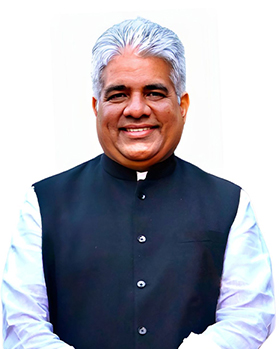
Hon. Mr. Bhupendra Yadav
“Keeping the city and its air clean is our collective responsibility. Clean, green energy must be emphasized in industry.”
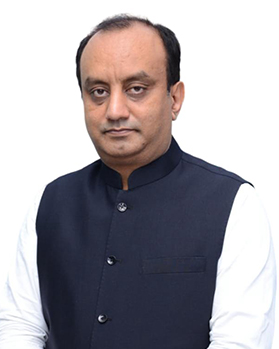
Dr. Sudhanshu Trivedi
“Addressing overpopulation and its impact on climate change requires a multi-dimensional approach, starting with awareness and education.”
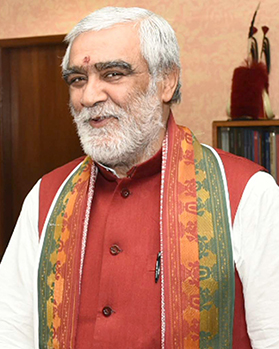
Mr. Ashwini Kumar Choubey
“When population increases, it will result in increased consumption. The balance between resources and our population must be maintained. Otherwise, it will lead to a crisis in food, farming, textiles; everything.”
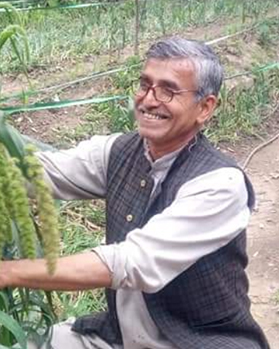
Mr. Nekram Sharma
“A significant transformation is required in the way farming is practiced. Modern, resource-intensive agricultural methods have often prioritized short-term gains over long-term sustainability.”
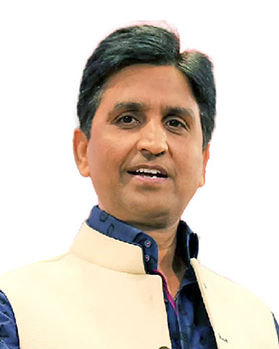
Dr. Kumar Vishwas
“When I see a helpless animal in chains, I wonder who is the real animal; the one who’s been chained or the one holding the chains.”
Mr. Zakir Khan
“Education is a catalyst for individual empowerment and societal transformation.”
Mr. G. V. L. Narasimha Rao
“India’s government recognizes population explosion as a major challenge and is taking serious steps to address it. A high-powered committee has been established to explore solutions for population control and family planning, reflecting the government’s strategic commitment.”
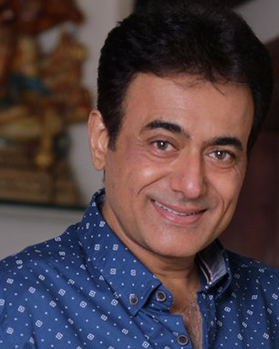
Mr. Nitish Bhardwaj
“Population control has lot of aspects. One is illiteracy and education. Second is awareness. Awareness of the woman, awareness of the man.”
Mr. Kiran Karnik
“The current model of resource use is unsustainable and will lead to ecological and economic crises without intervention. However, there is a positive shift in demographic trends, with many countries reaching population stabilization. India is expected to stabilize at around 1.6 billion people by 2047-2050 before gradually decreasing to 1 billion by 2100.”
Mr. Siddharth Kak
“Media is a powerful tool for shaping public perception, but lectures and awareness campaigns are not enough. Effective initiatives require collaboration across sectors—government bodies, NGOs, media professionals, educators, cultural leaders, and community influencers—to build a movement that inspires change.”
Mr. Afroz Shah
“Plastic pollution is a major threat, with millions of tons entering water bodies annually, affecting marine species and human health.”
Mr. Arun Krishnamurthy
“The relationship between population growth and consumption patterns is deeply intertwined, with crowded cities driving up demand for housing, energy, water, and food.”
Our Partners